Approach the 6's
Approach the 6's
Approach the 6's
Approach the 6's
Approach the 6's
Approach the 6's
Approach the 6's
Approach the 6's
Approach the 6's
Approach the 6's
Approach the 6's
Approach the 6's
Approach the 6's
Approach the 6's
Approach the 6's
Approach the 6's
Approach the 6's
Approach the 6's
Approach the 6's
Approach the 6's
Approach the 6's
Approach the 6's
Approach the 6's
Approach the 6's
Approach the 6's
Approach the 6's
Approach the 6's
Approach the 6's
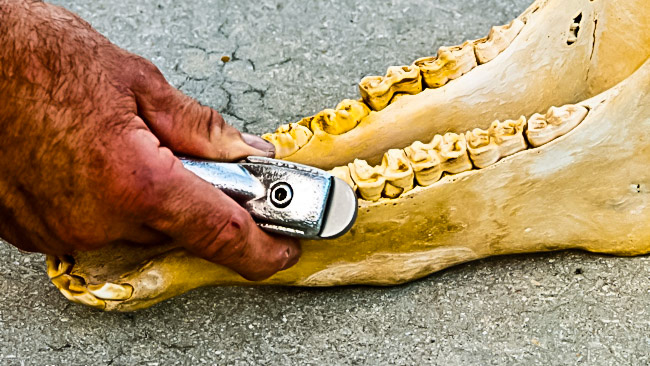
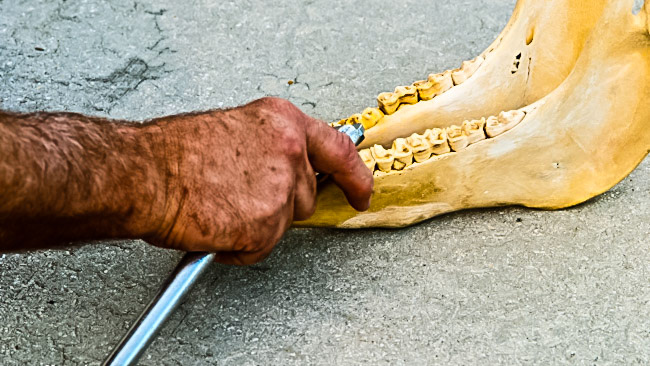
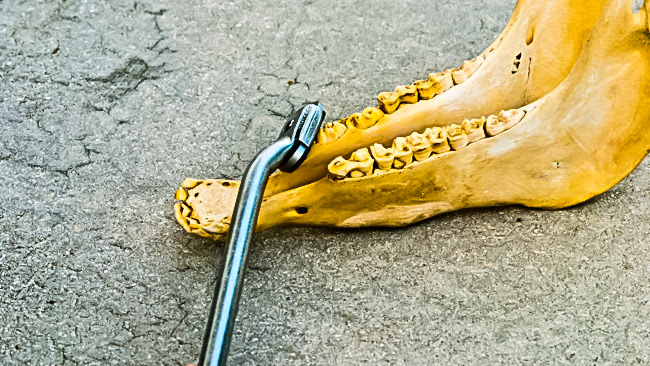
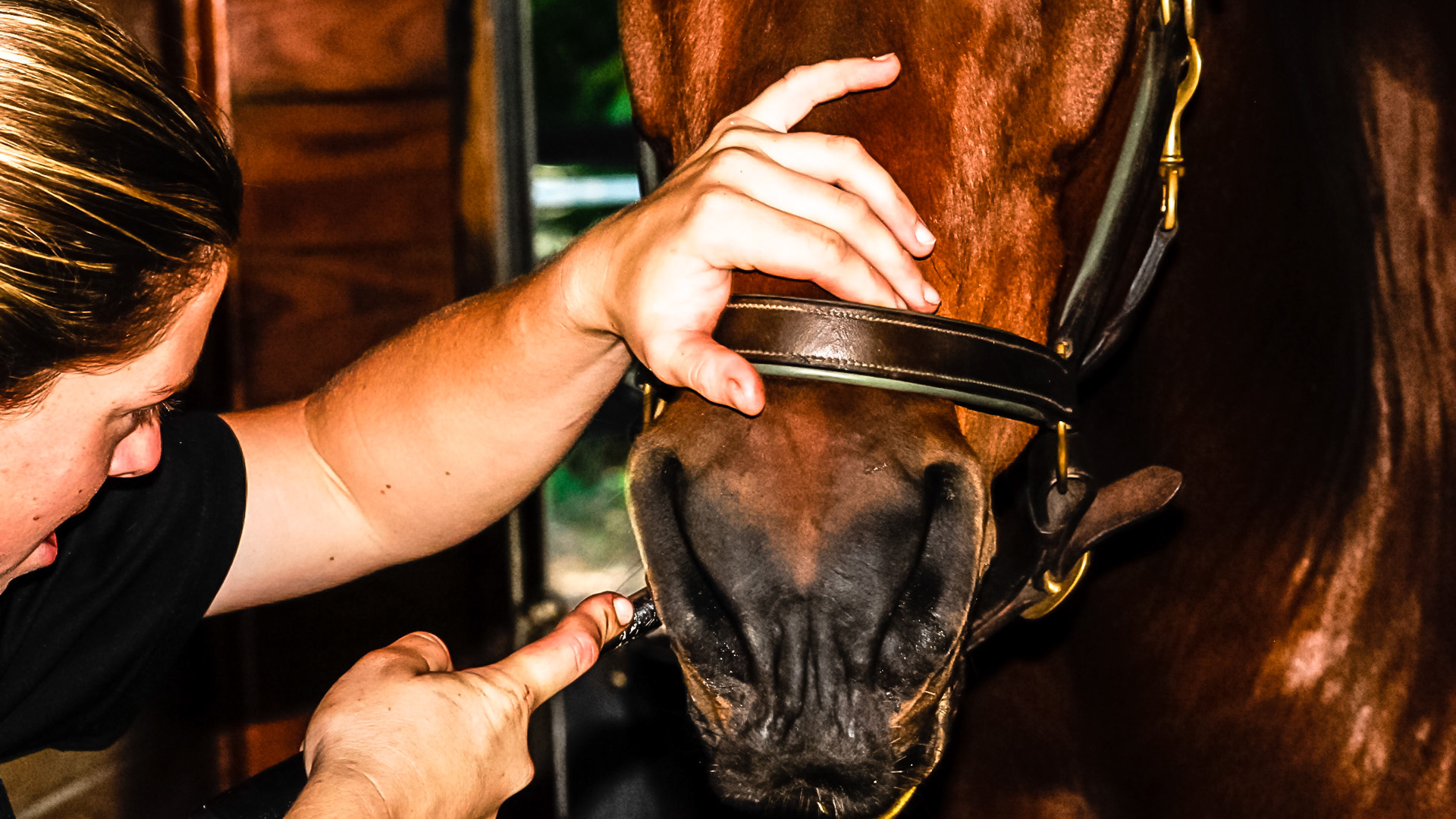
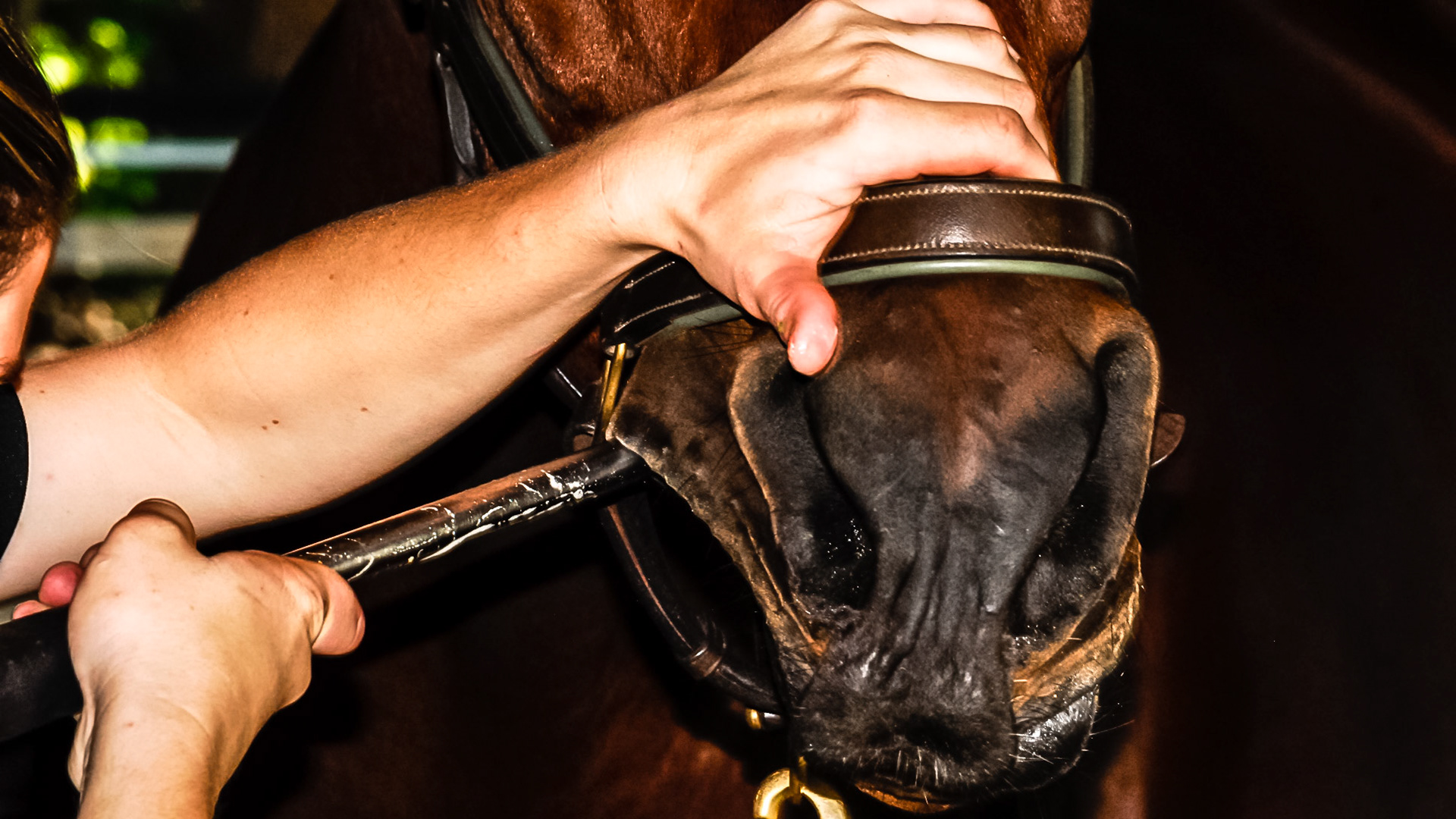
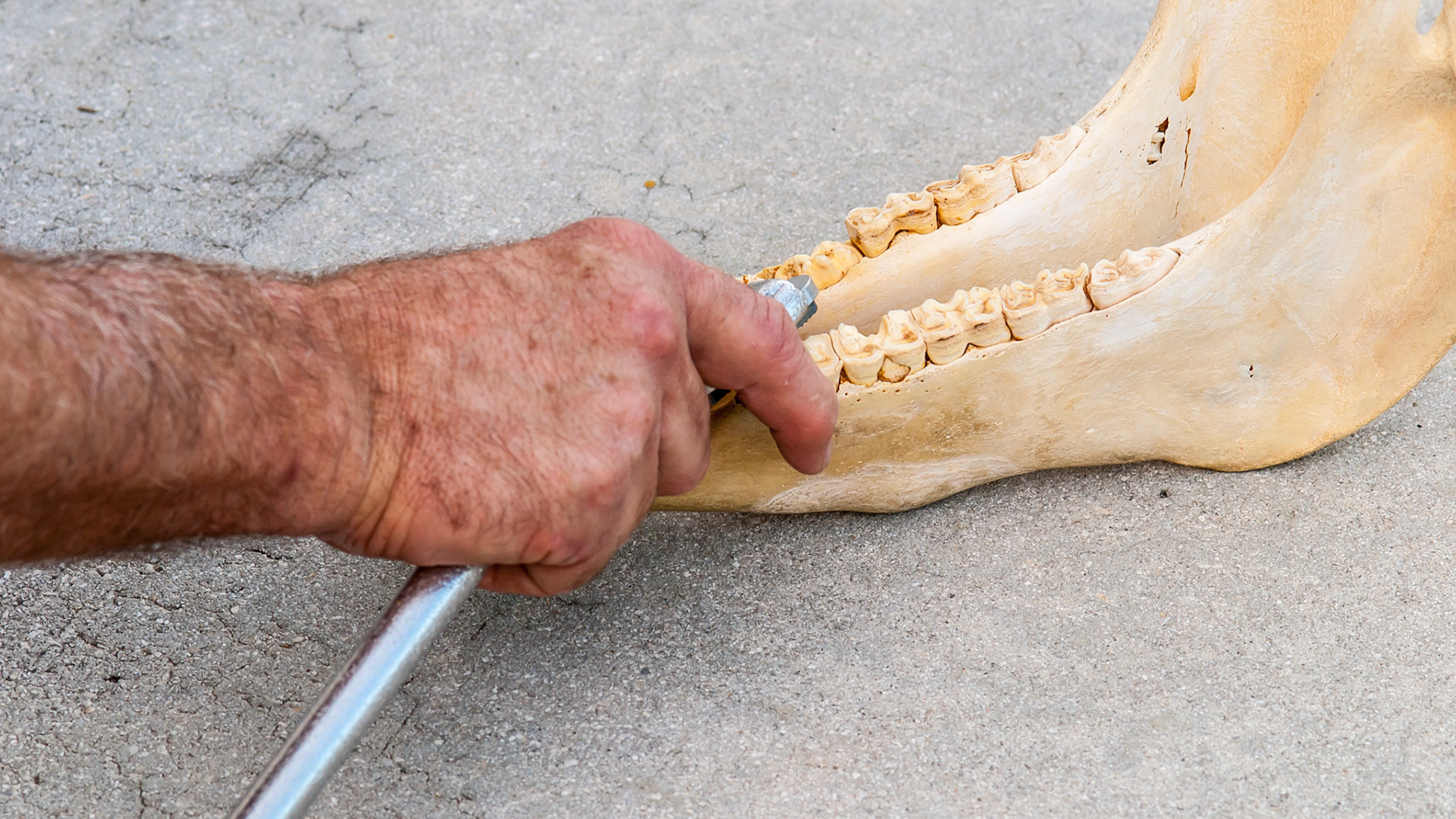
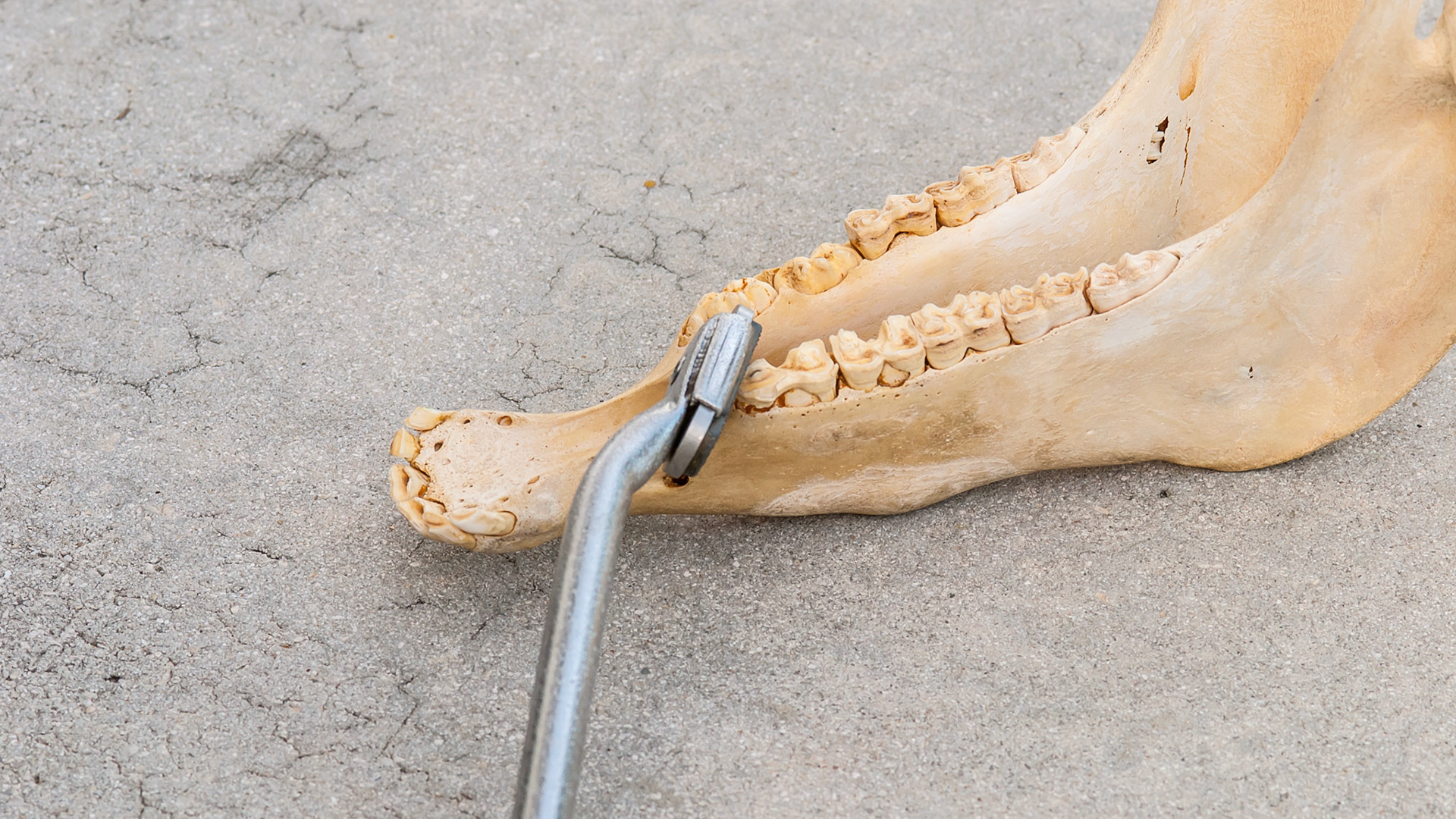
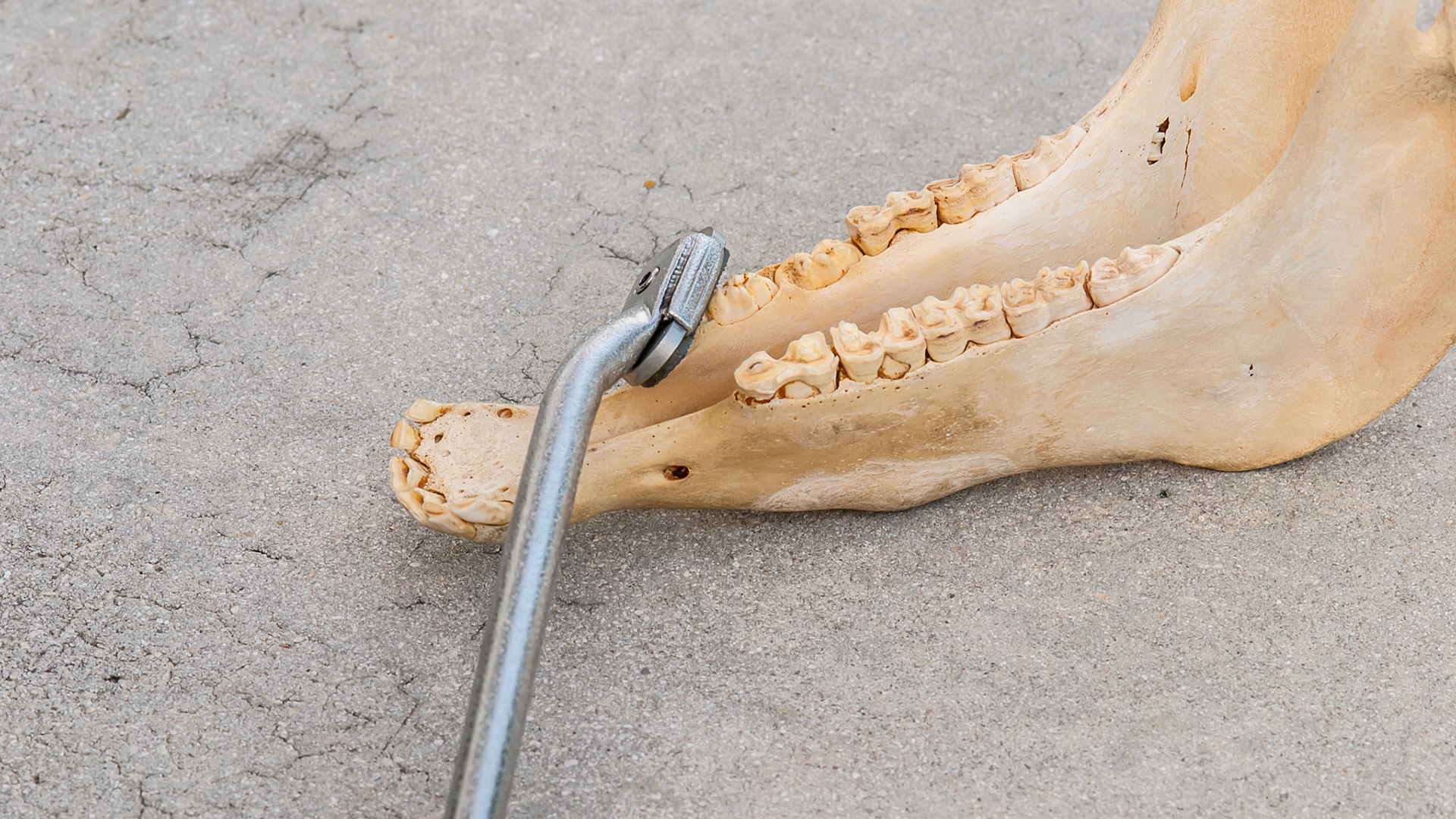
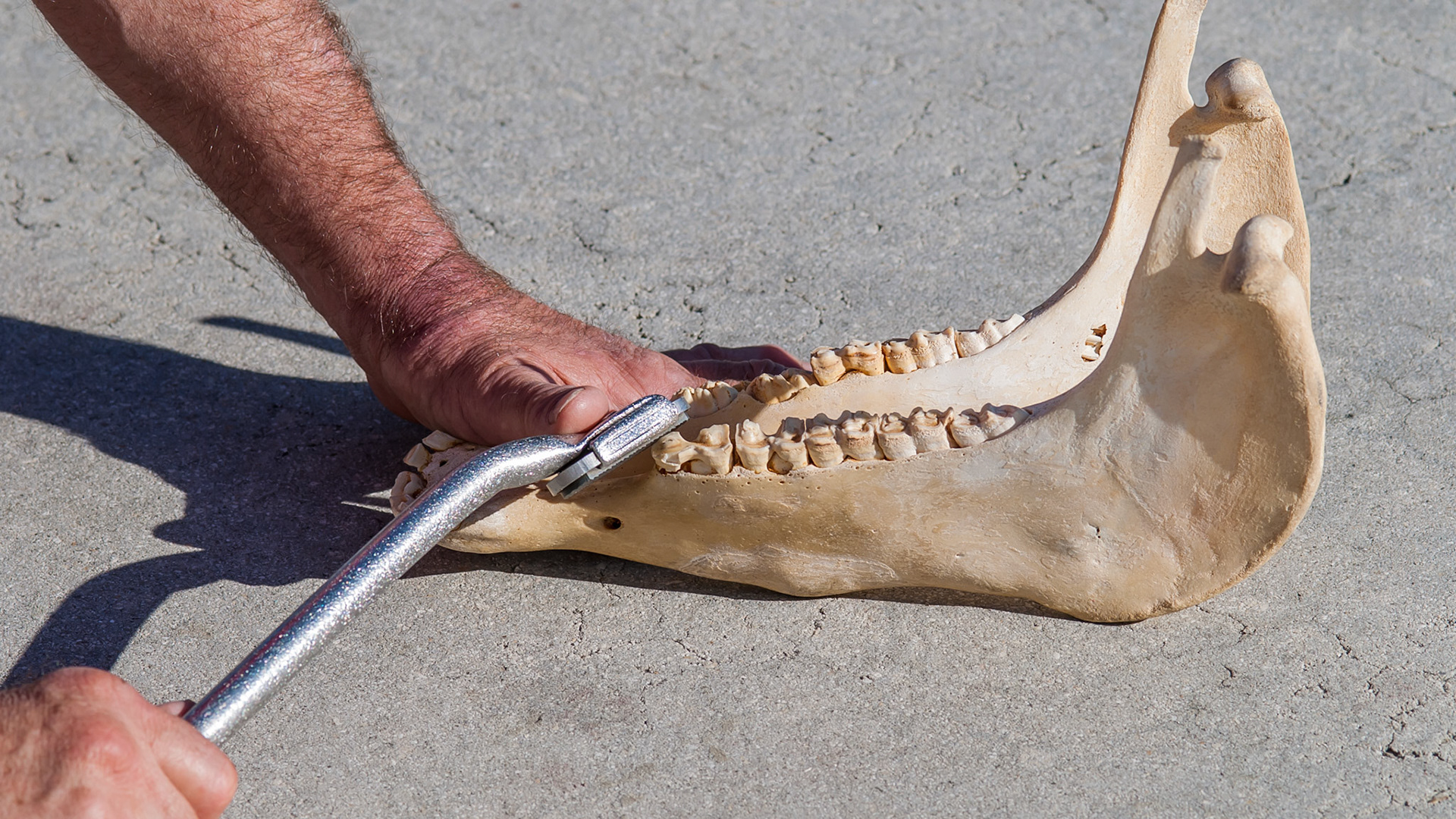
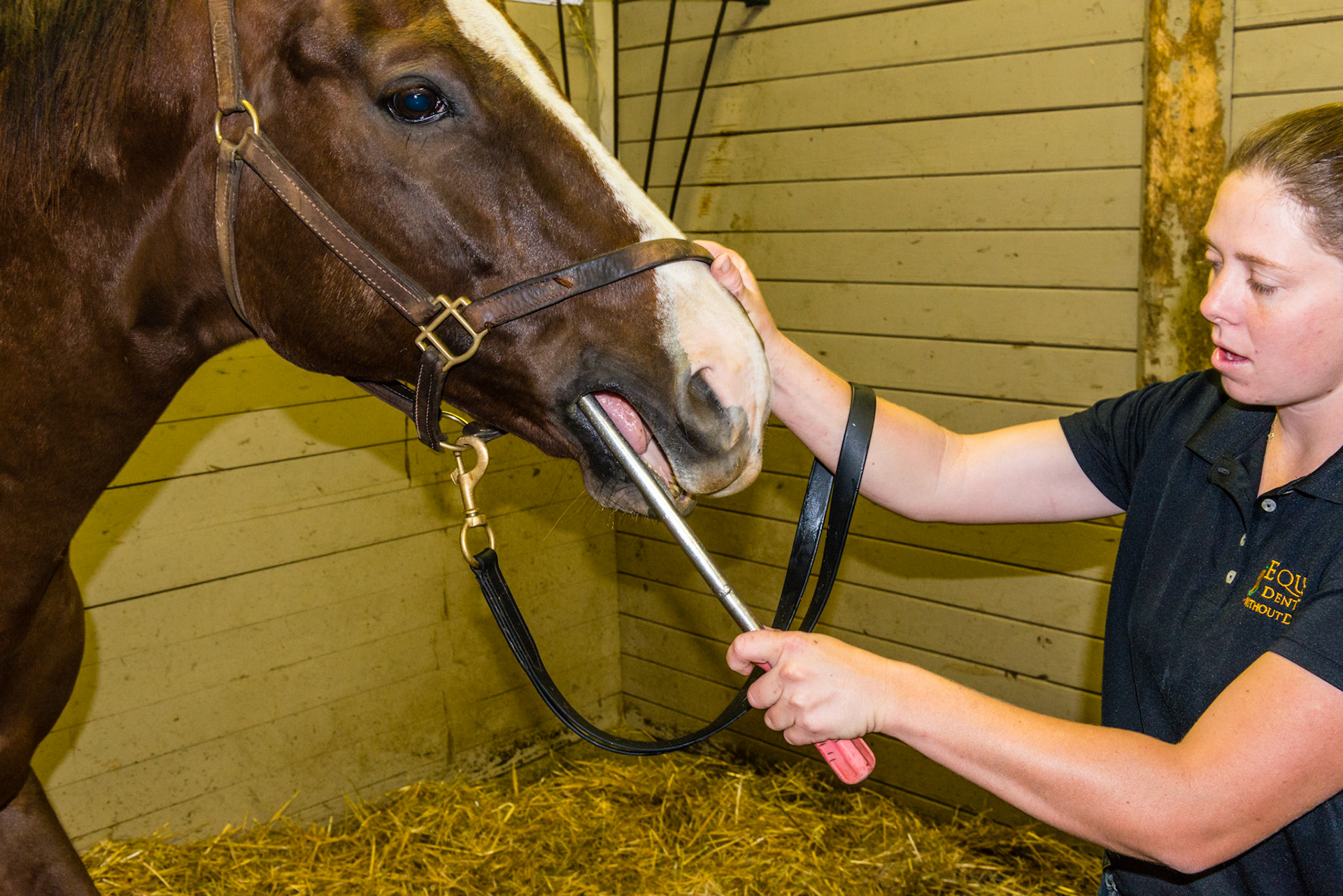
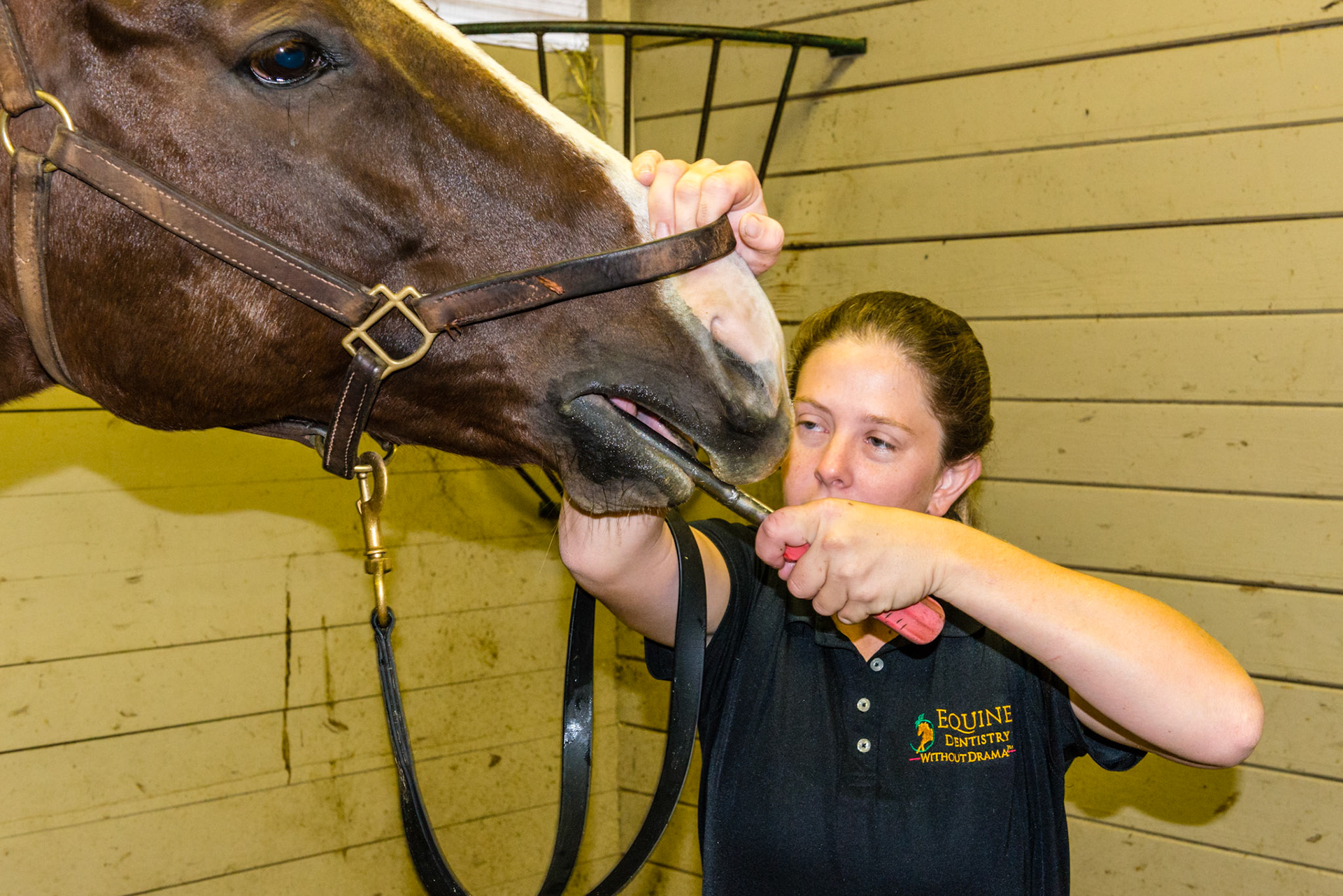
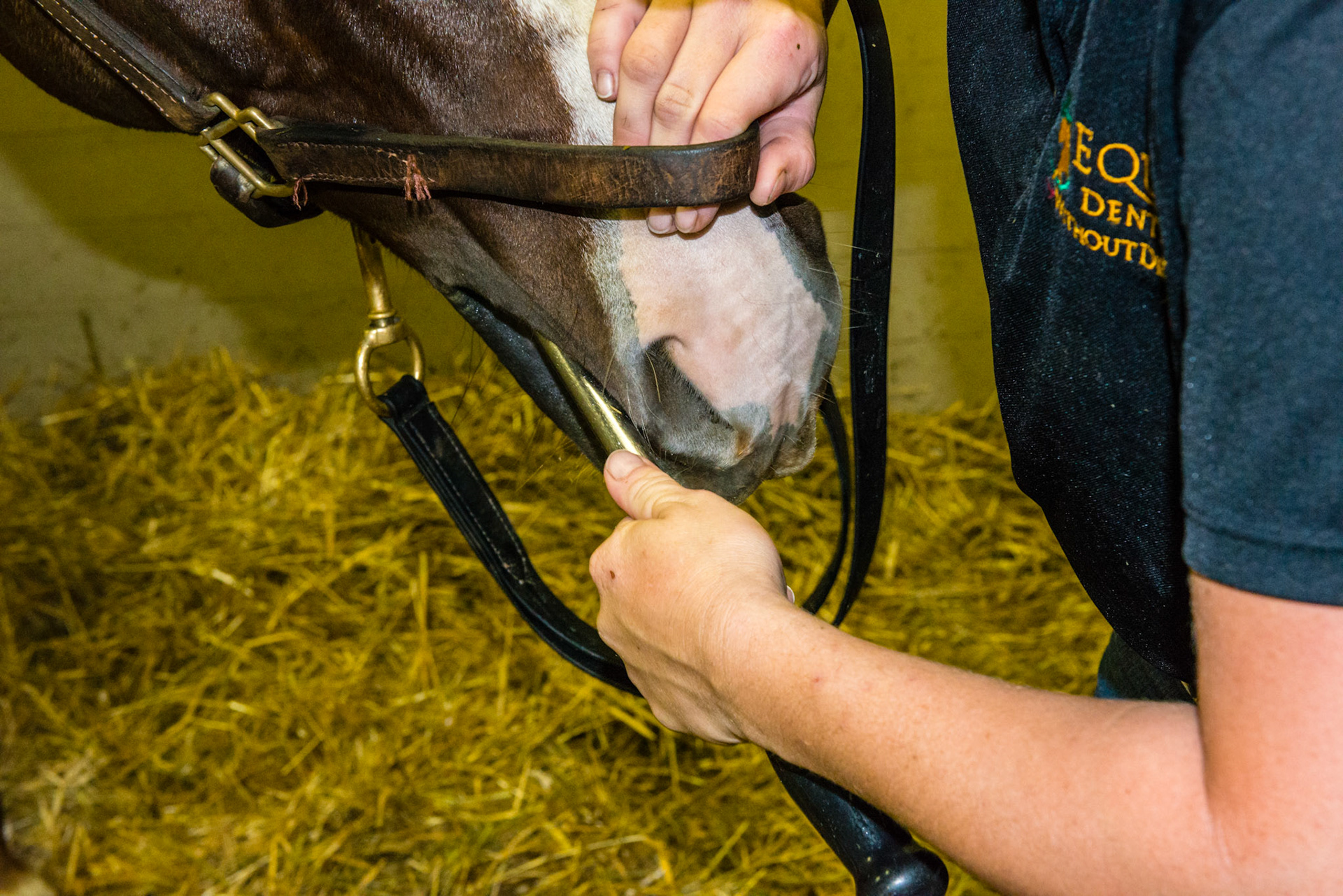
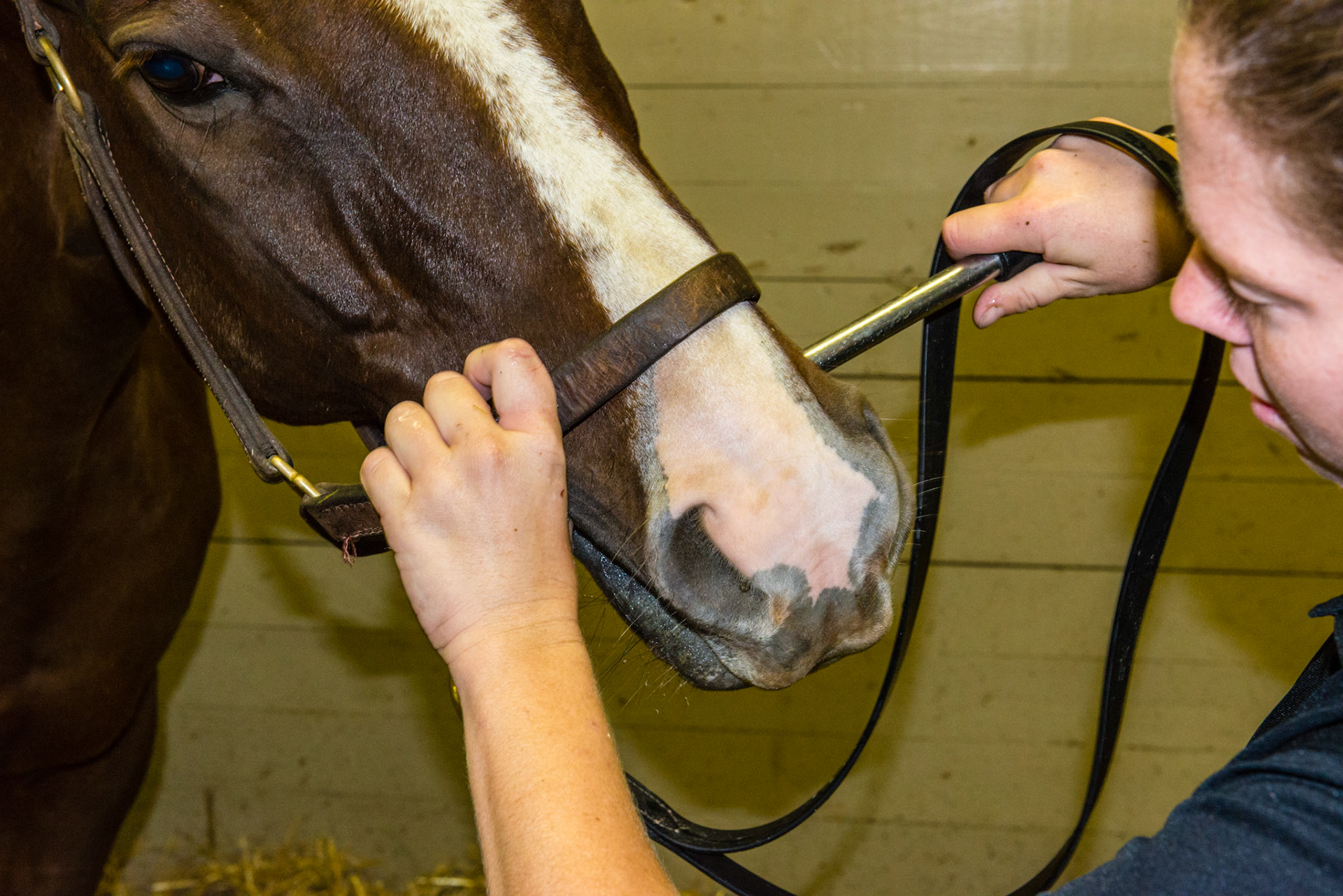
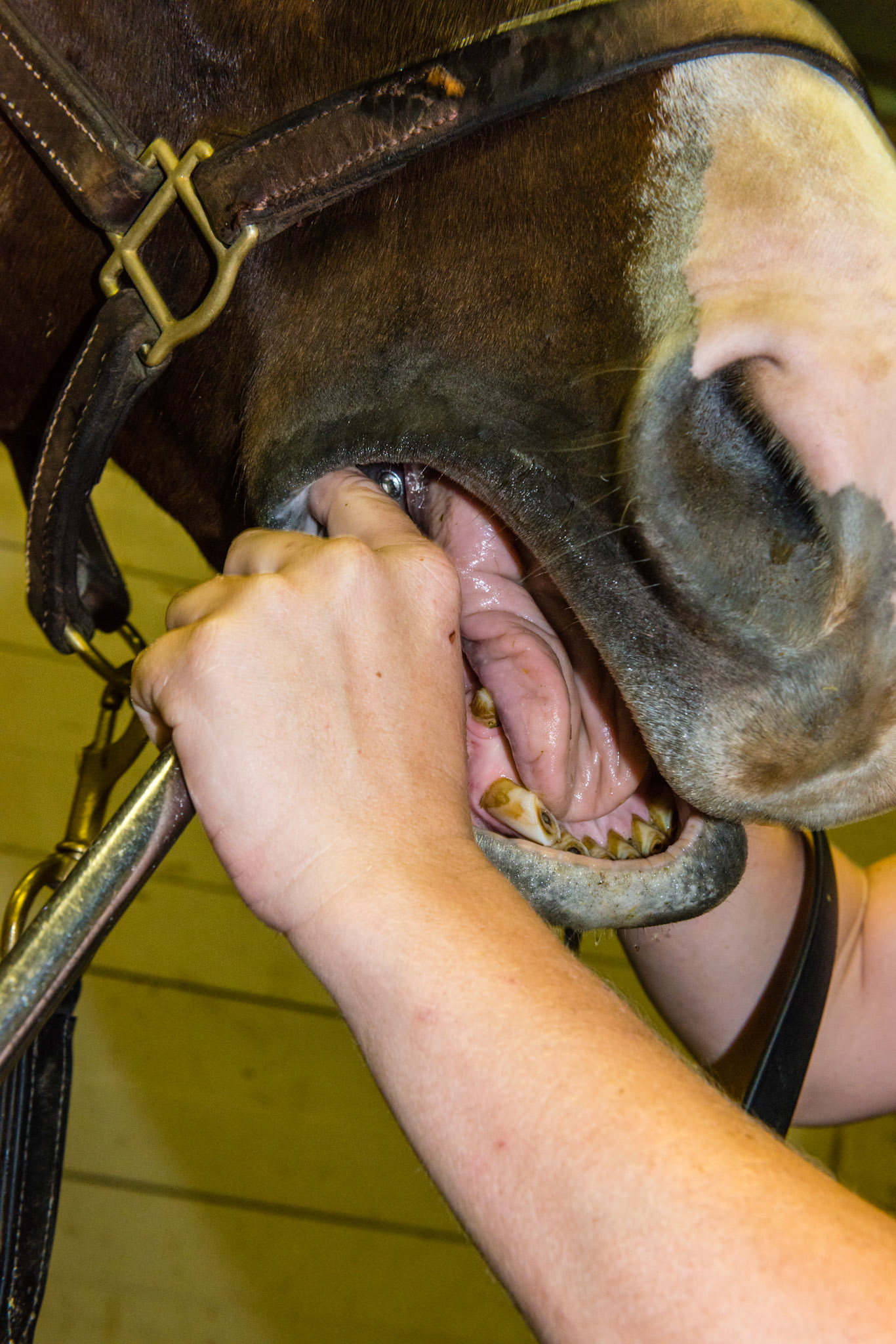
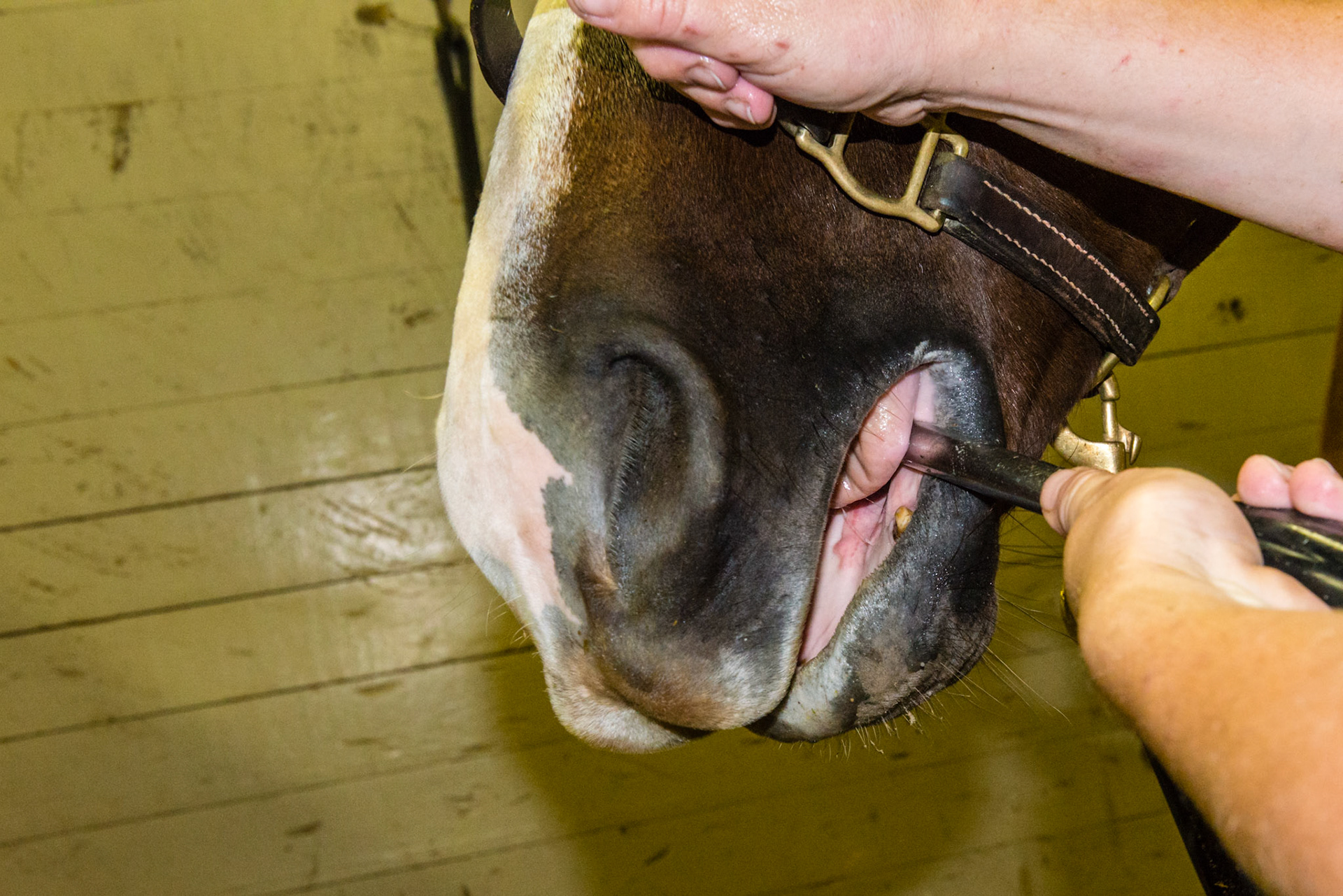
Long float on the rostral lower 6's
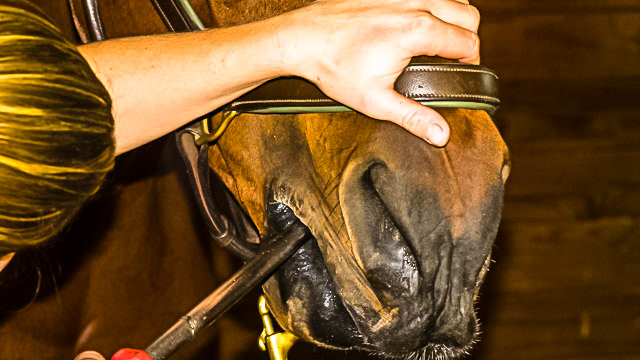
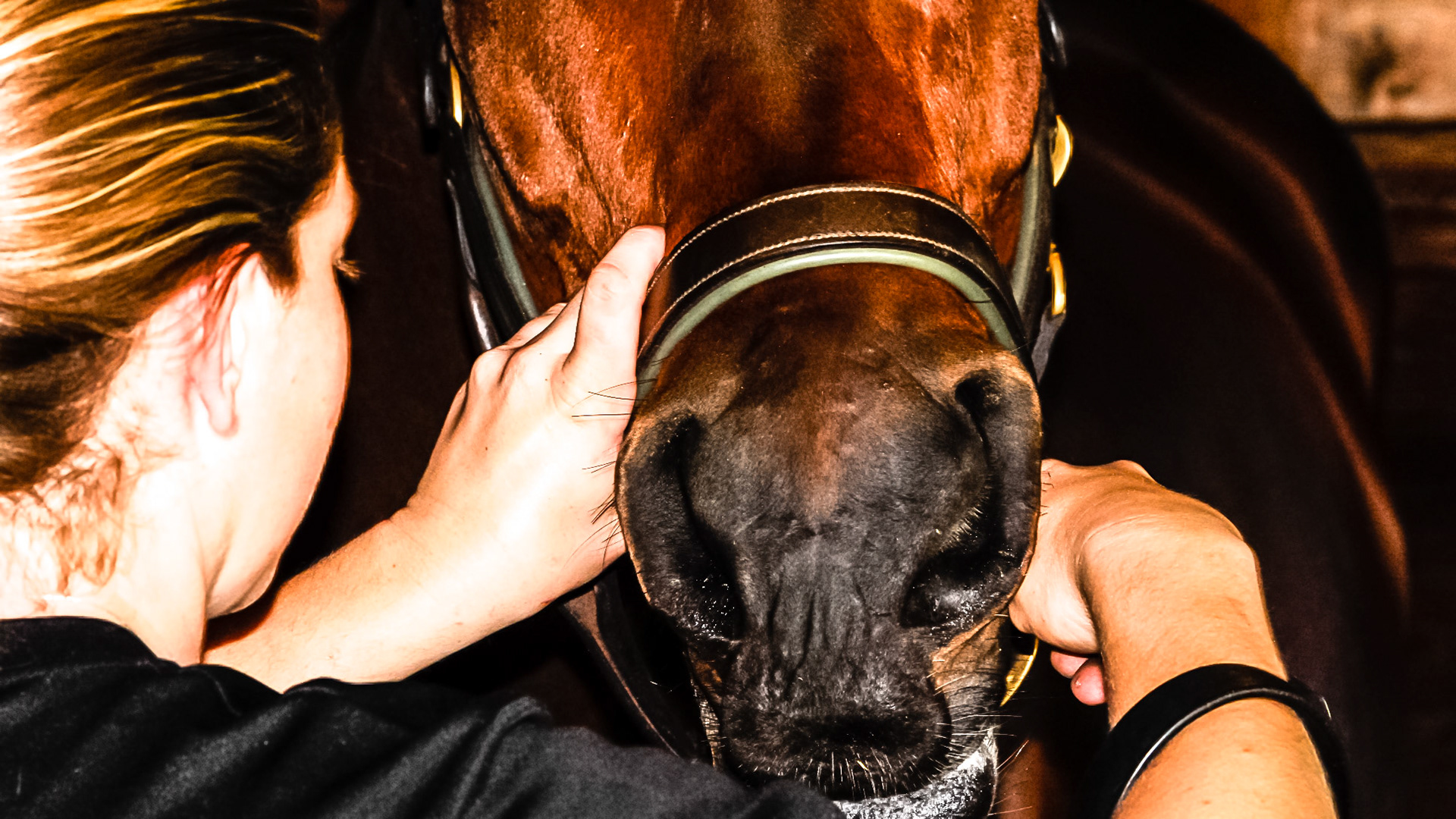
Long float on the rostral lower 6's, hand on bridge of nose creating core loop.
To approach the medial side of the lower 6, the blade is yawed out to follow the curved edge of the tooth.
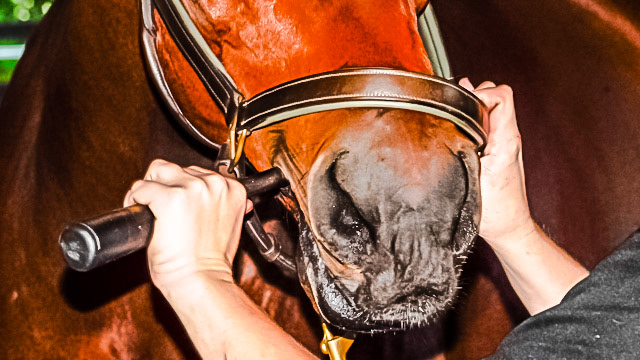
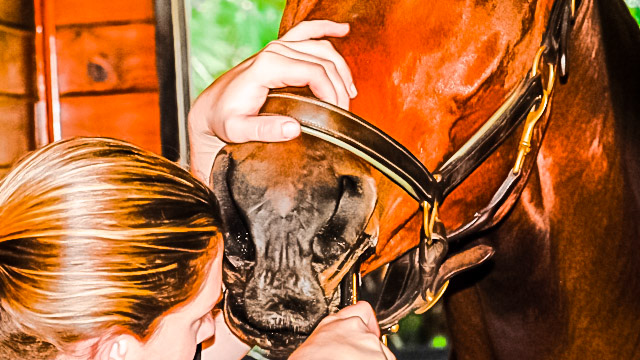
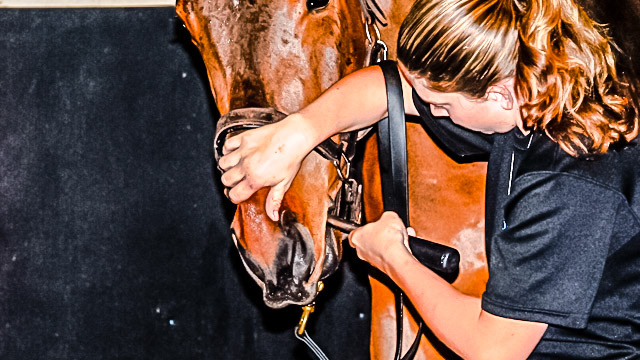
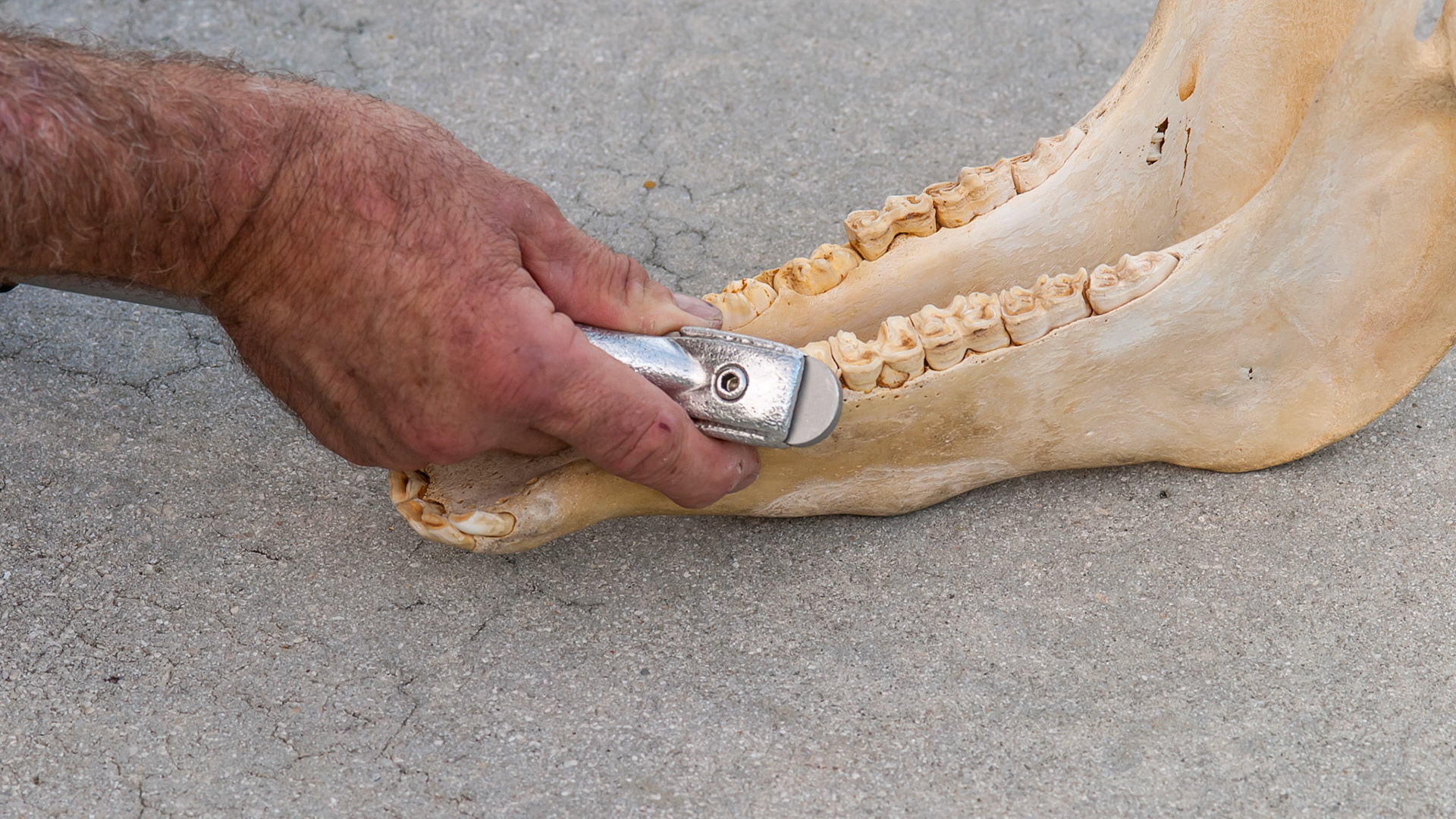
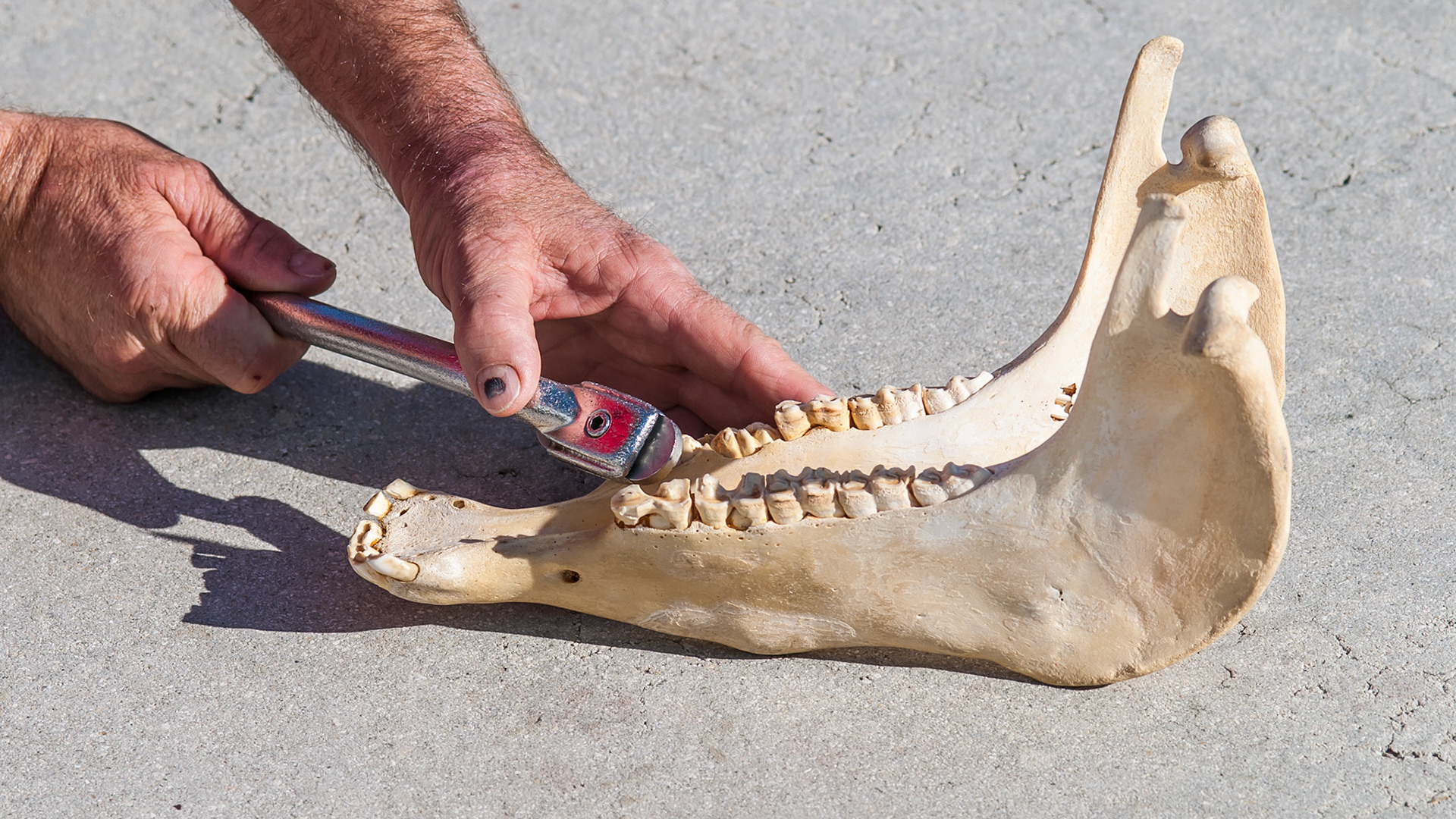
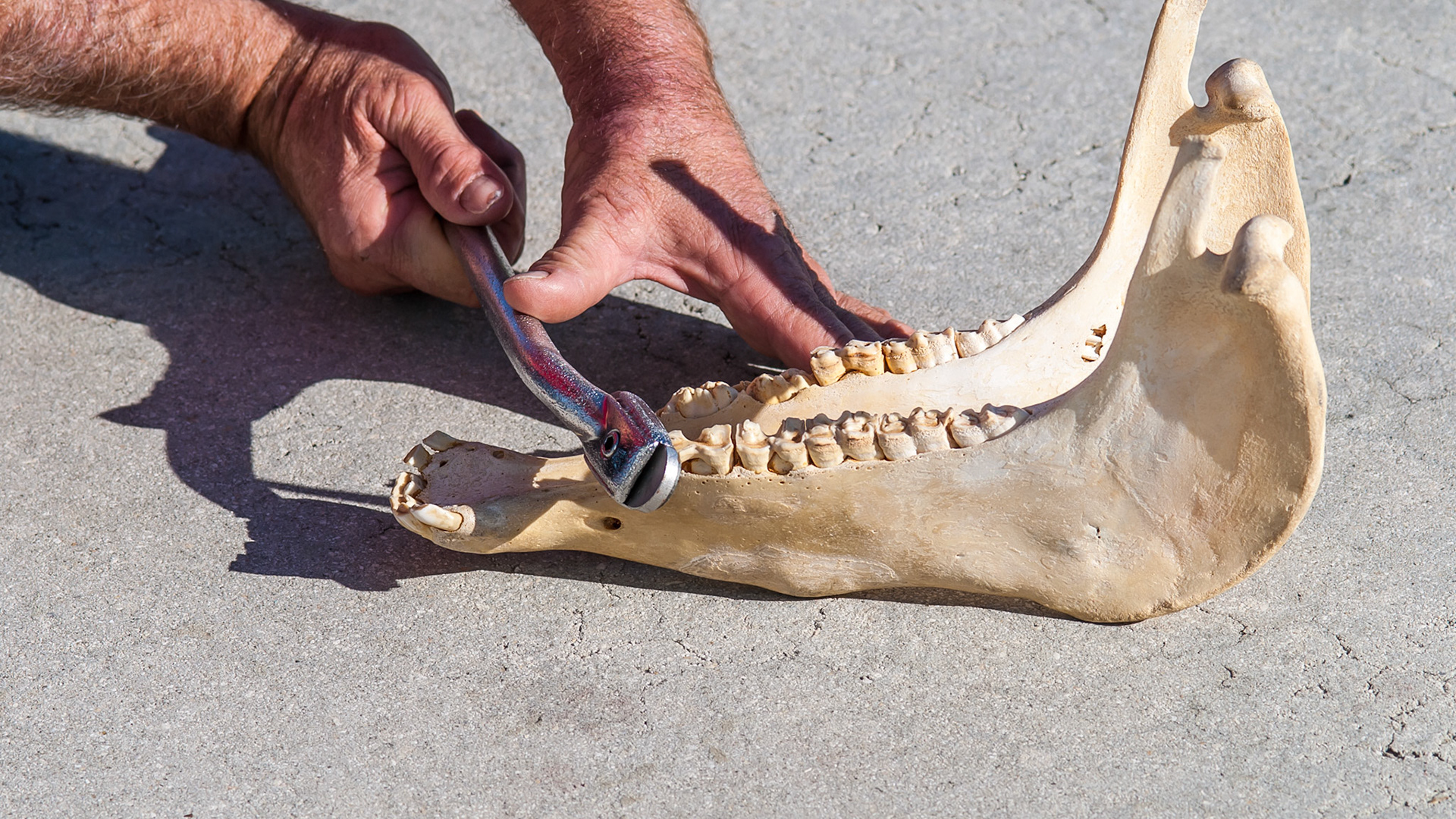
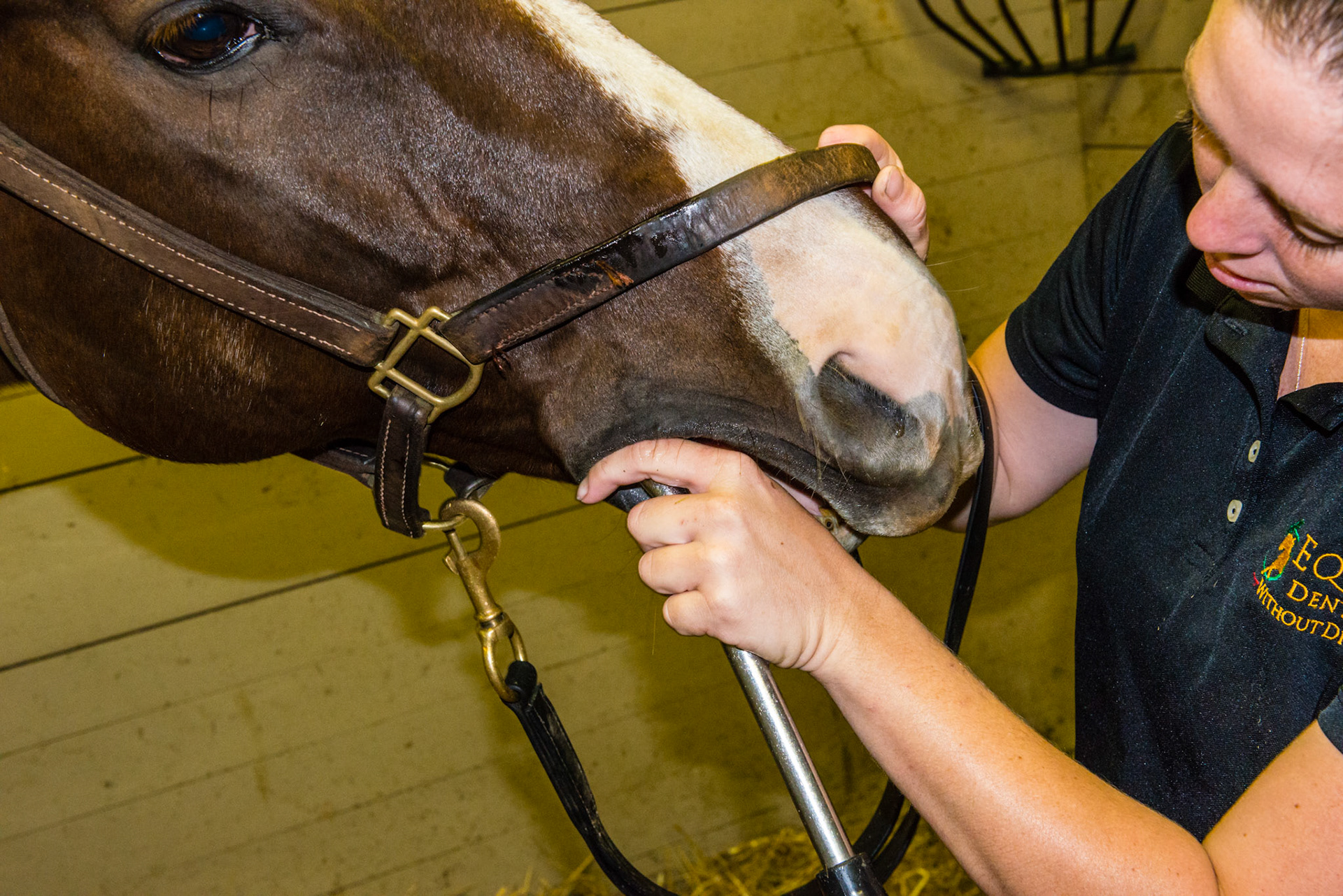
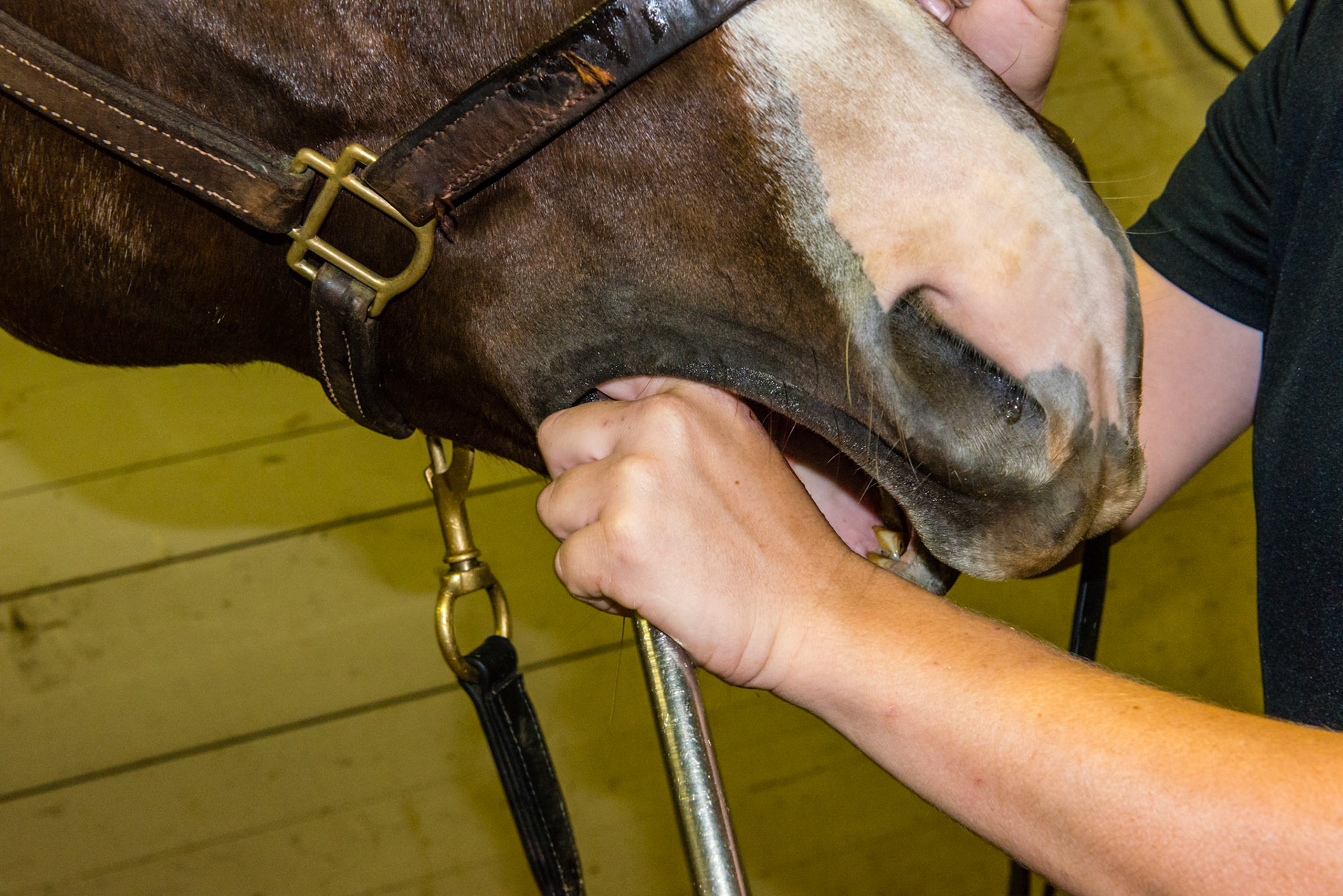
This is the standard grip of the shortie as it come across the mouth to work on the rostral edges of any 6.
This is the standard grip of the shortie as it yaws out on either the upper or lower 6.
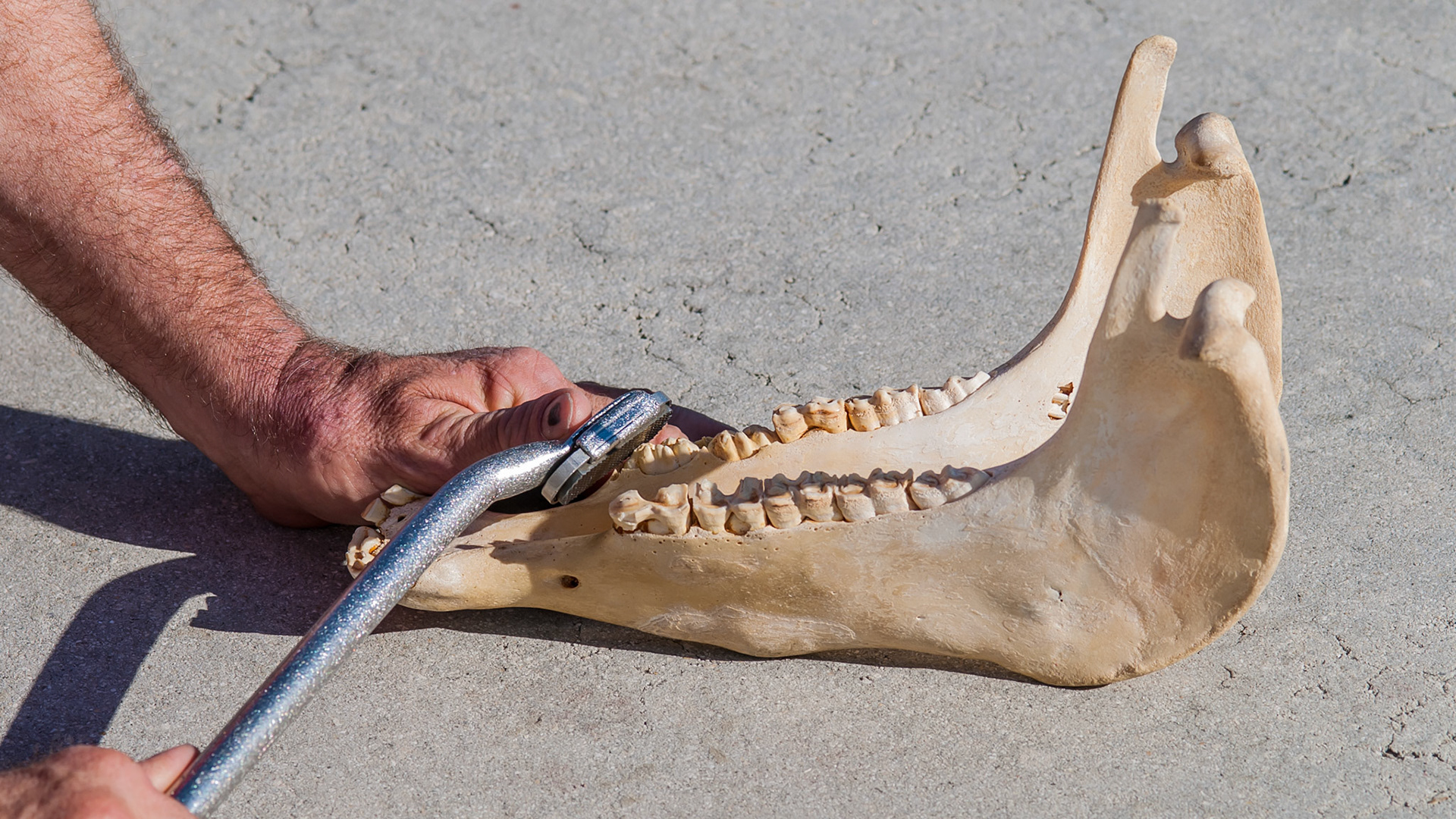
This is the standard grip of the shortie as it comes across the mouth and the thumb of the free hand is used to add pressure to the blade against the tooth.
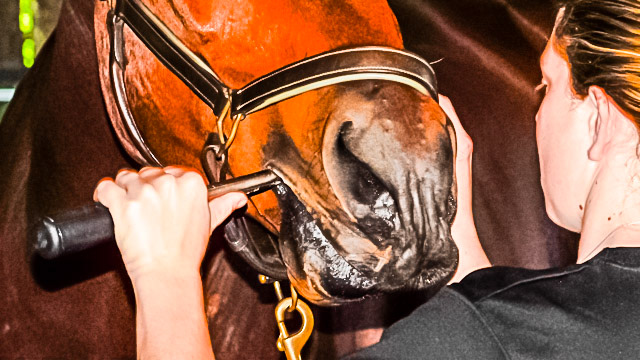
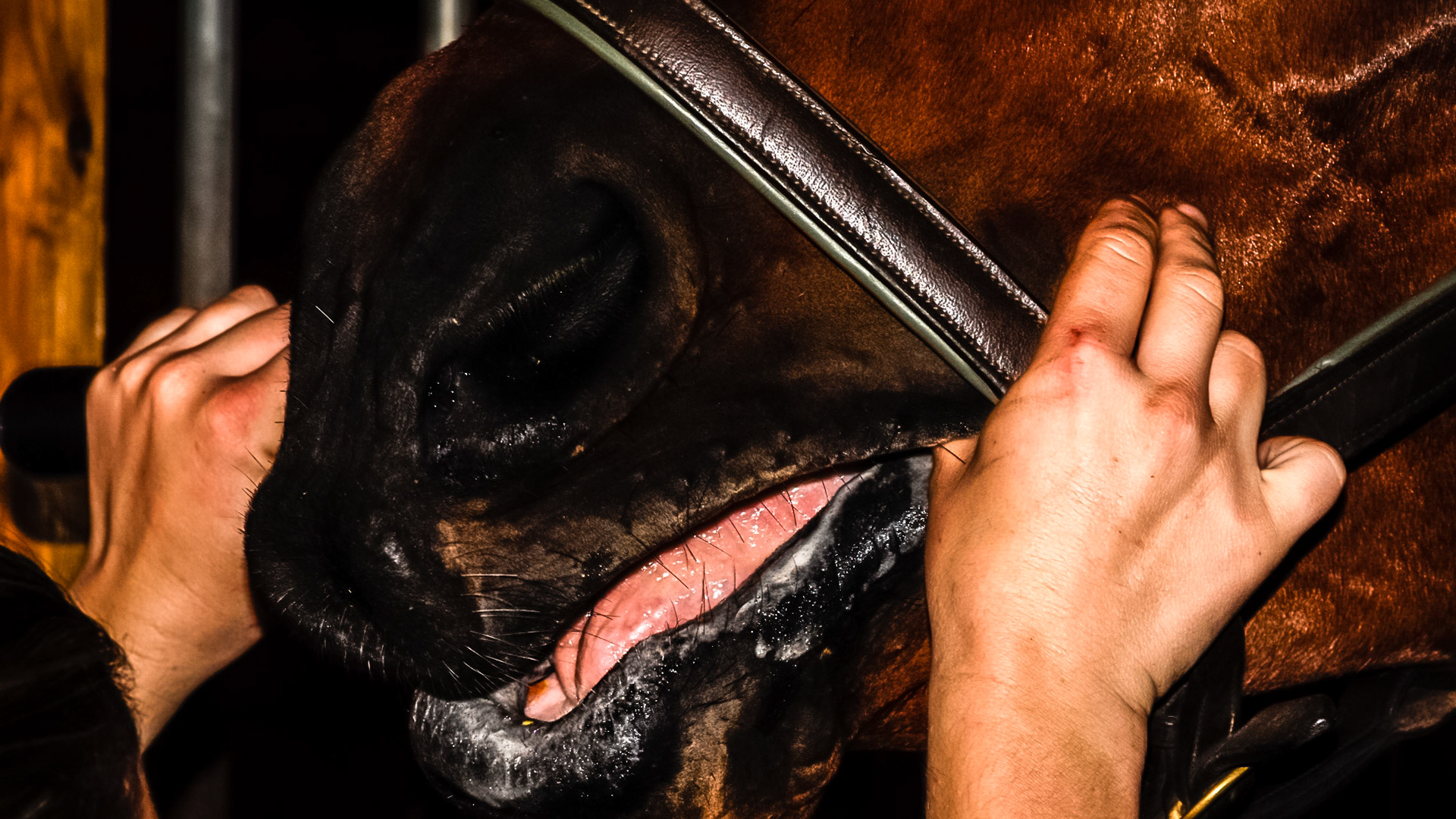
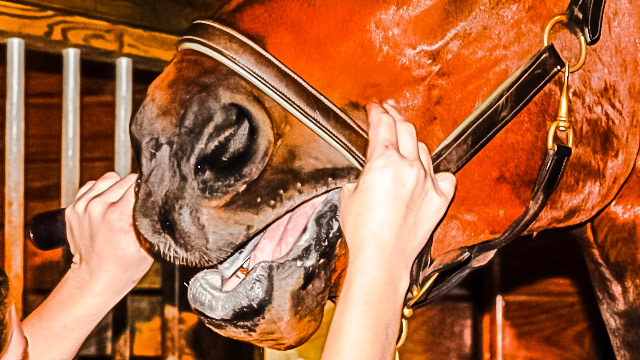
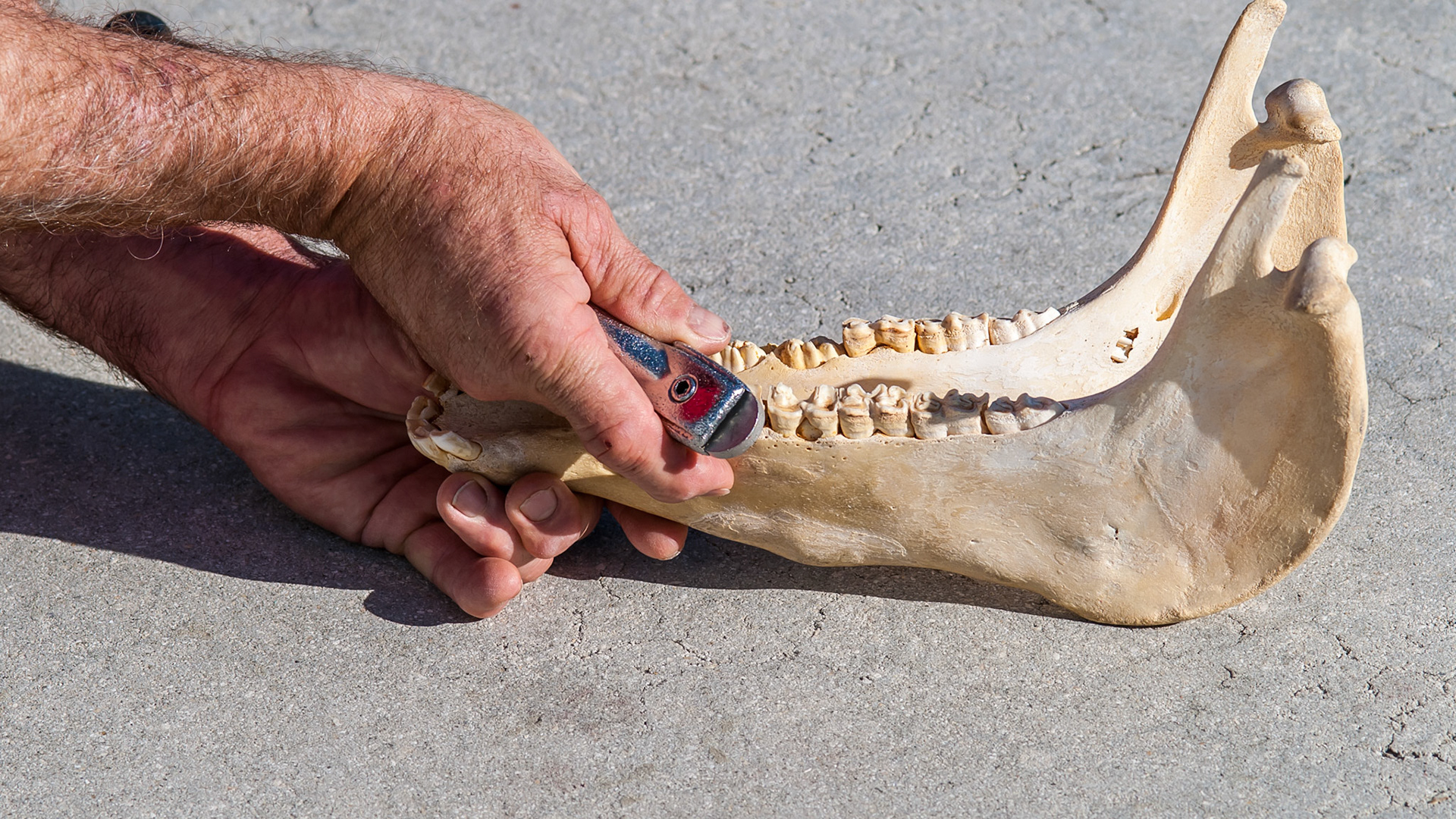
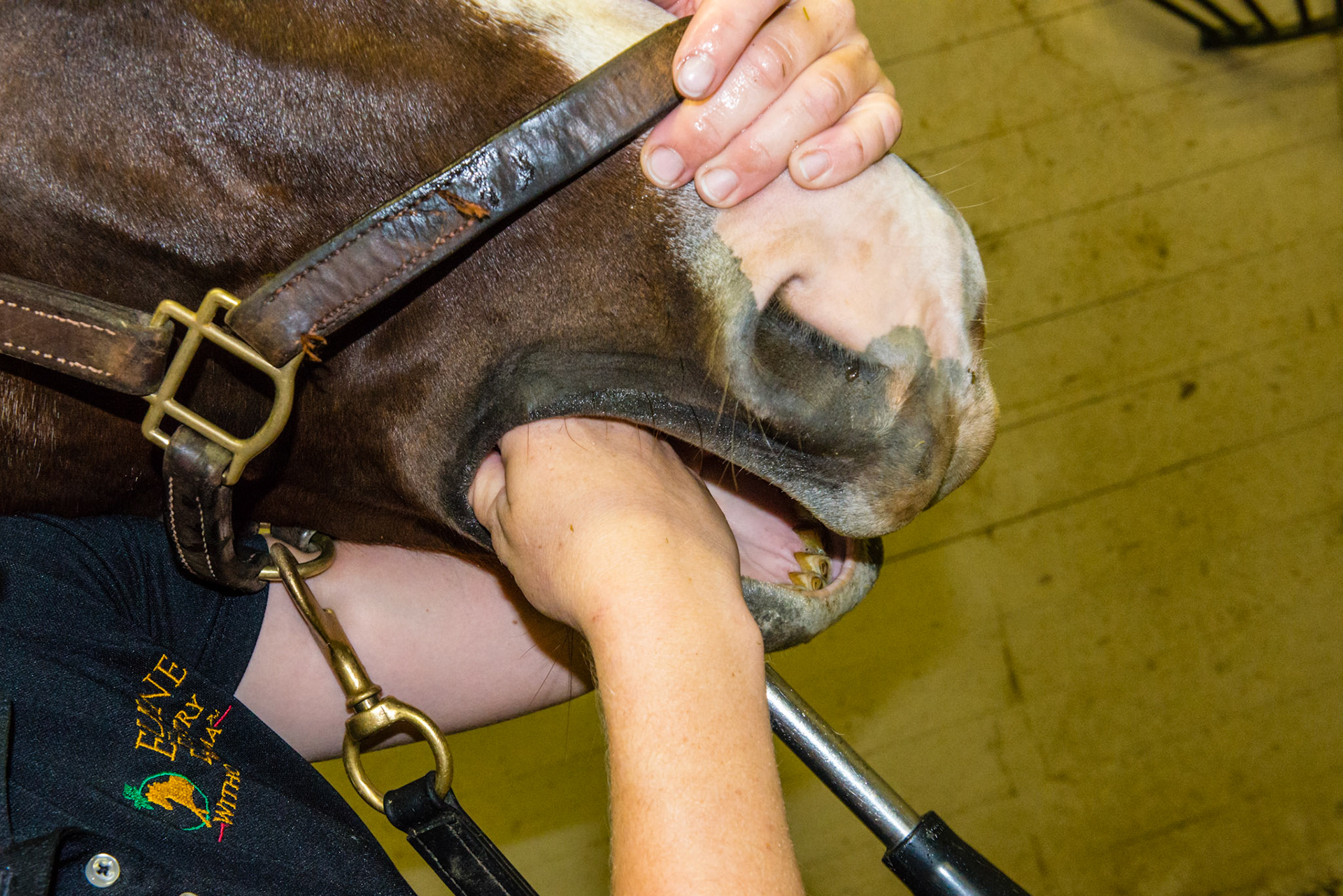
The flabby cheek approach to the lower 6's. Notice the hand is choked up on the shortie. The thumb is being used to displace the soft tissue but the forefinger remains outside of the mouth rather than remaining inside the mouth. This is dependant on the horse's reaction to this process and the need to have another finger inside the mouth.
The flabby cheek approach to the lower 6's. Notice the hand is choked up on the shortie. The thumb and forefinger are being used to displace the soft tissue as the hand is gently rotated on the rostral edge of 406.
The flabby cheek approach to the lower 6's. Notice the hand is choked up on the shortie. The thumb and forefinger are being used to displace the soft tissue as the hand is gently rotated on the rostral edge of 406.
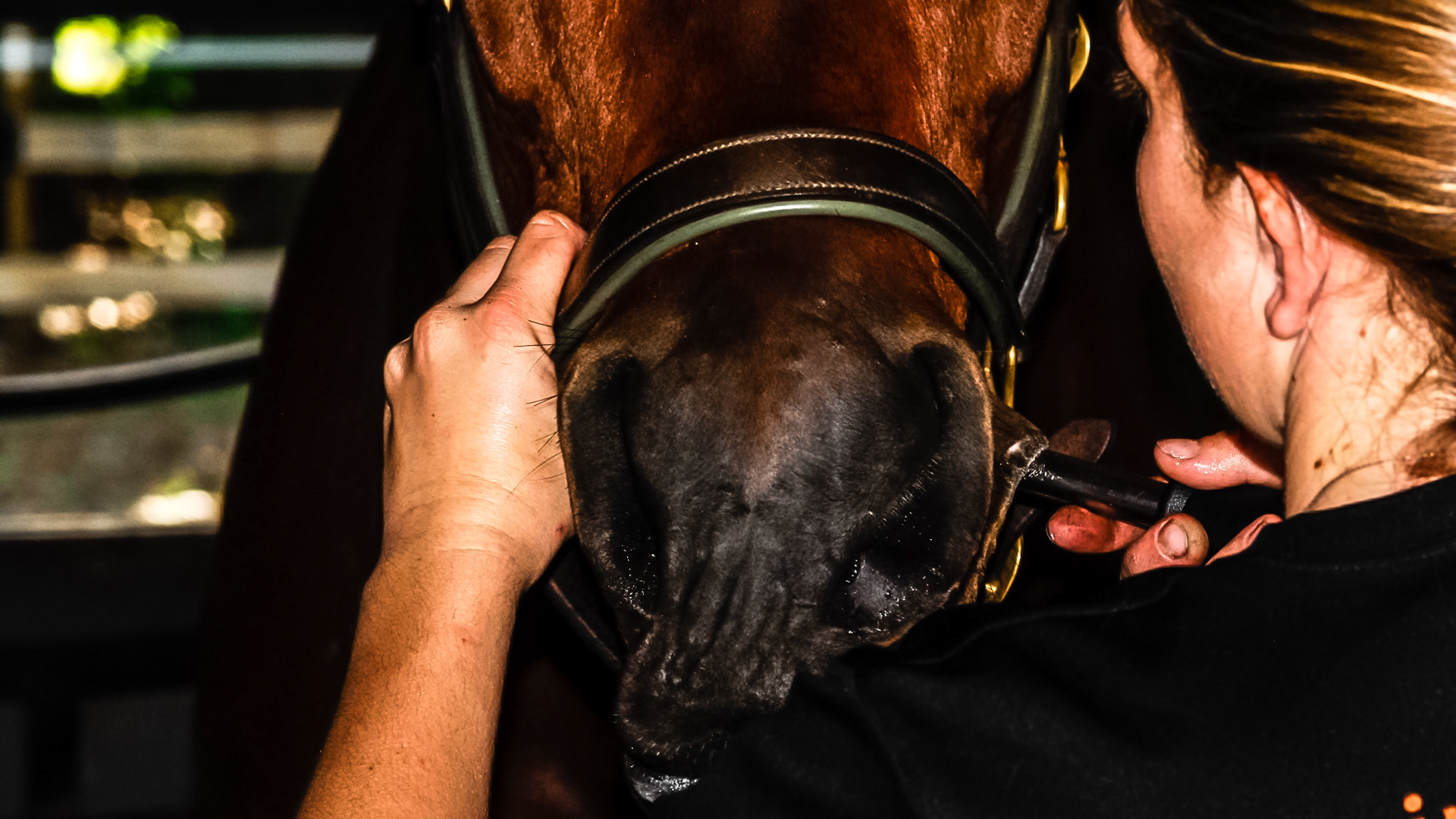
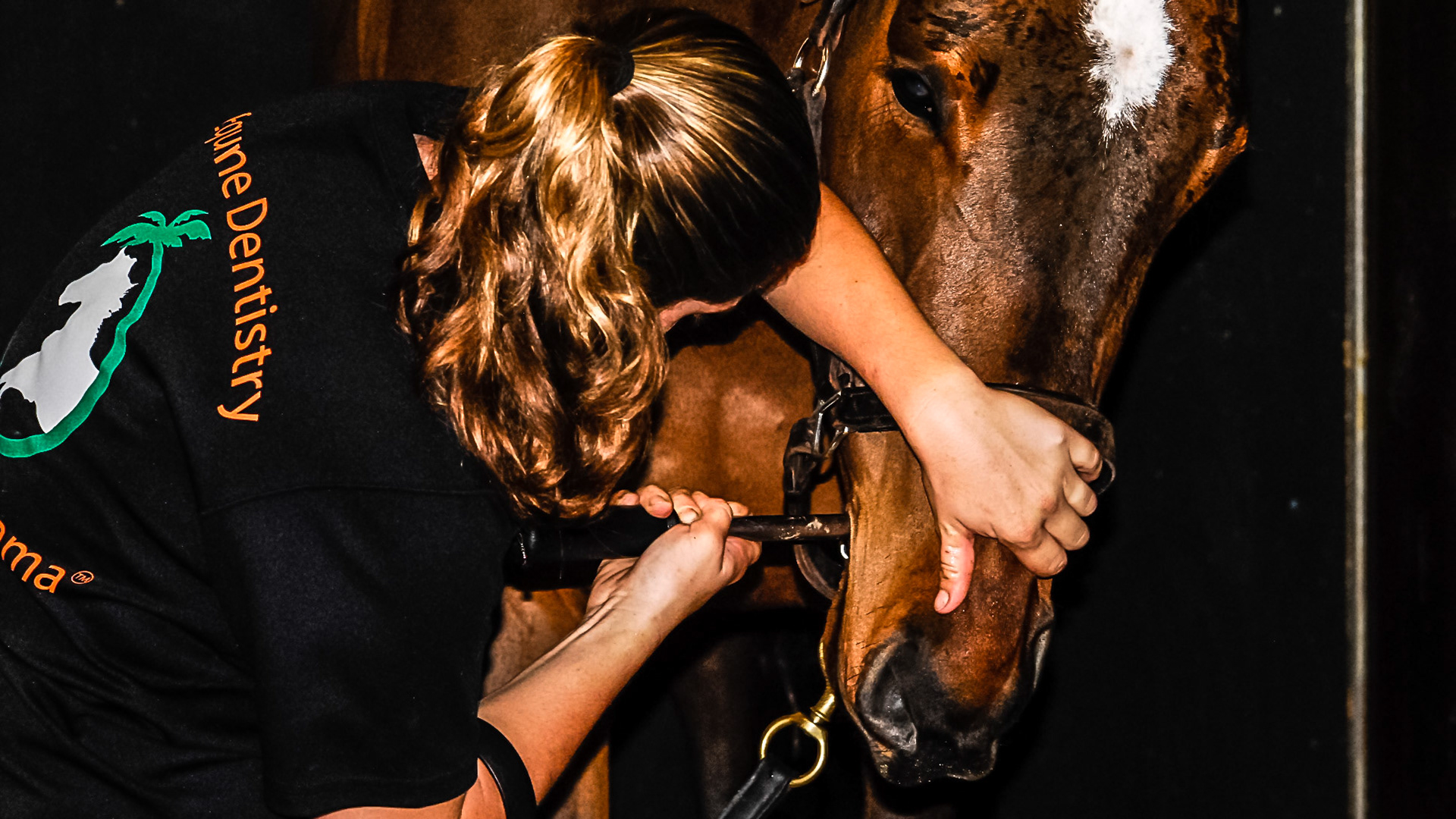
The flabby cheek approach to the lower 6's. Notice the hand is choked up on the shortie. The thumb and forefinger are being used to displace the soft tissue as the hand is gently rotated on the rostral edge of 406. The positioning of the floater to the horse is now facing in the same direction with the free hand under the head and holding the bridge of the nose. Some horses prefer this position.
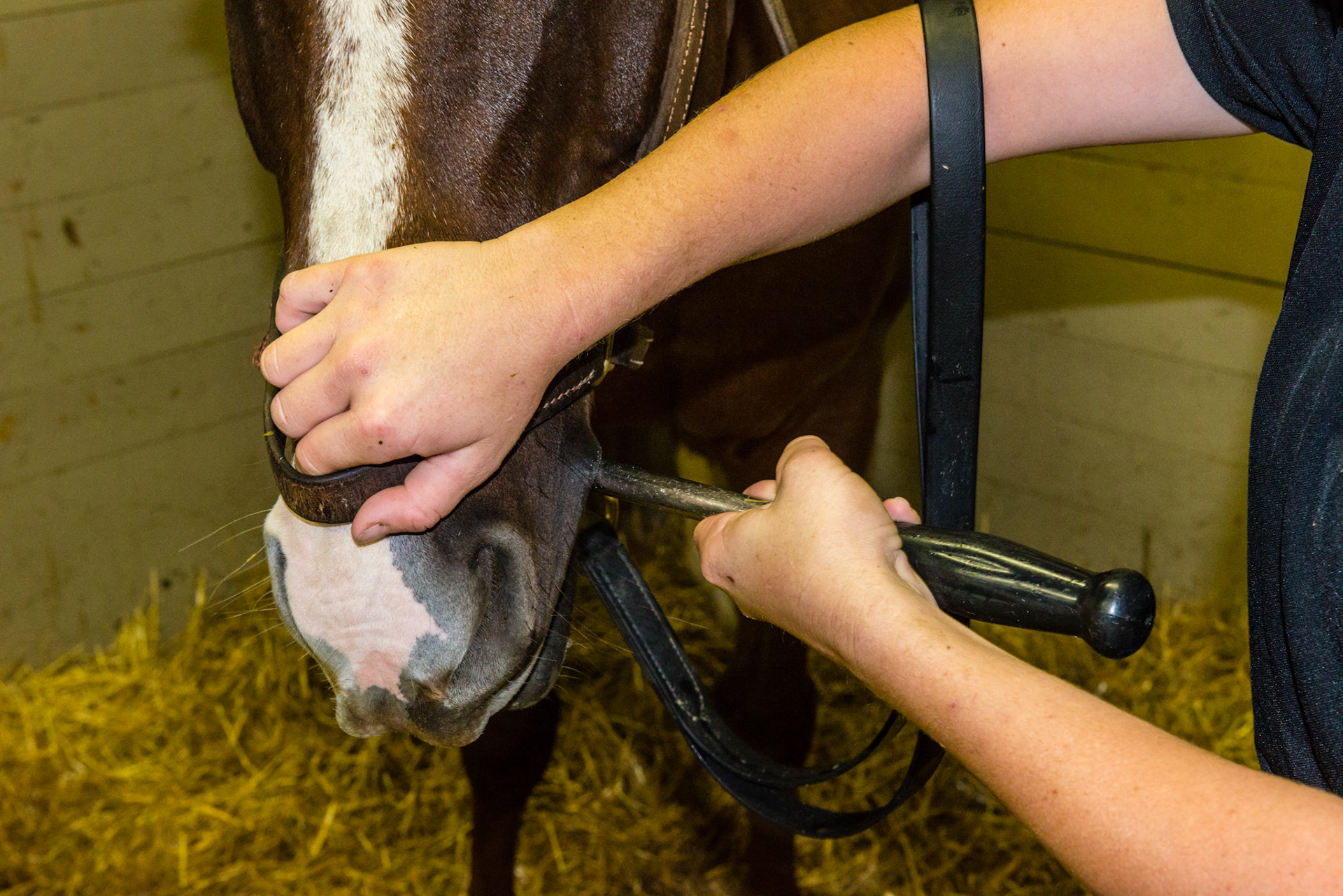
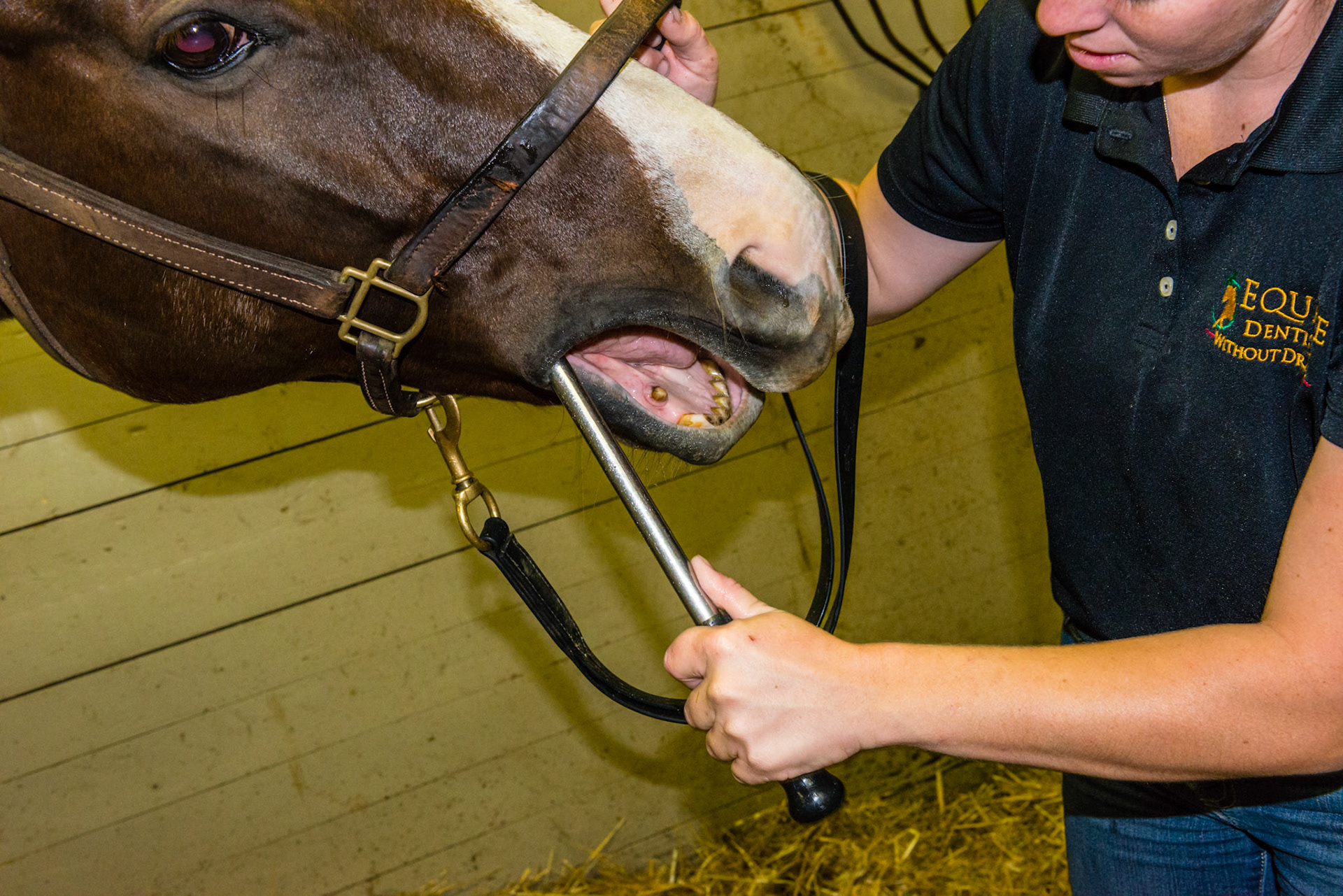
This is the alternative hand position on the shortie. We call it the full length grip. Some horses prefer this to the standard grip and the choked up grip. Notice the pitch up and yaw out of the blade to approach the rostral-medial side of 406. Melissa's left thumb extends along the shaft of the blade to increase the downward pressure of the blade onto the tooth.
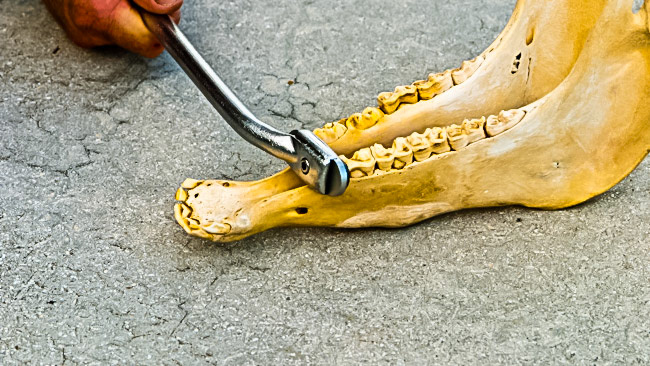
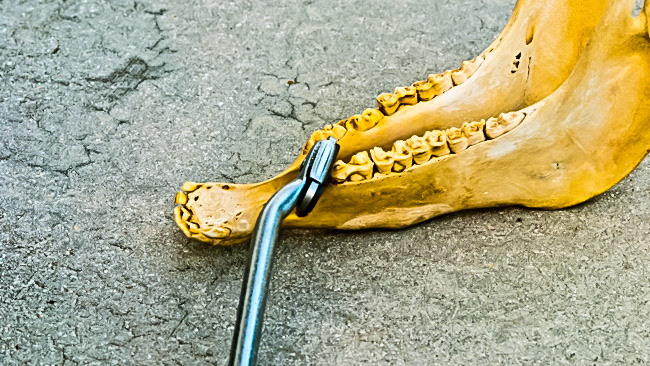
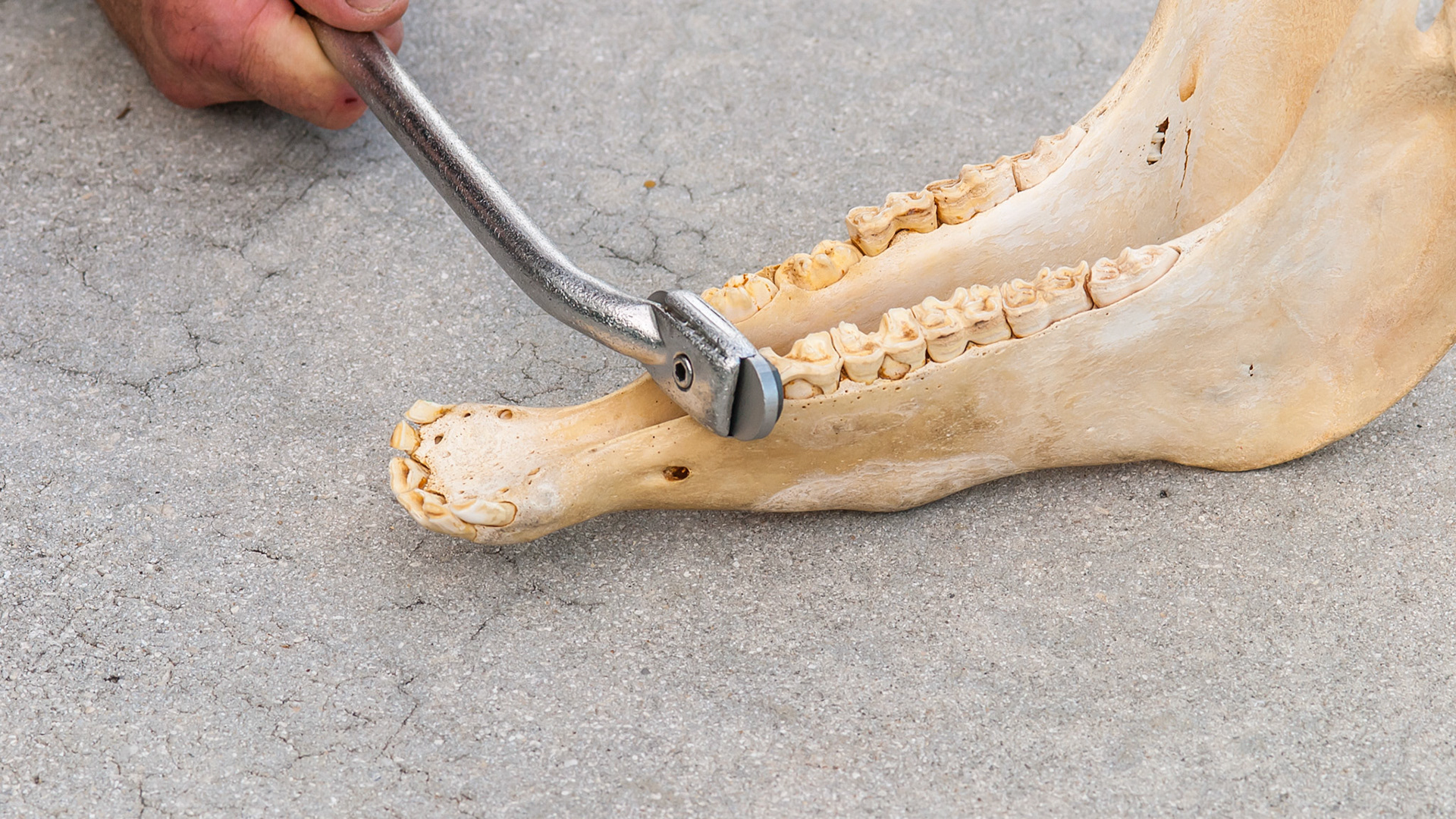
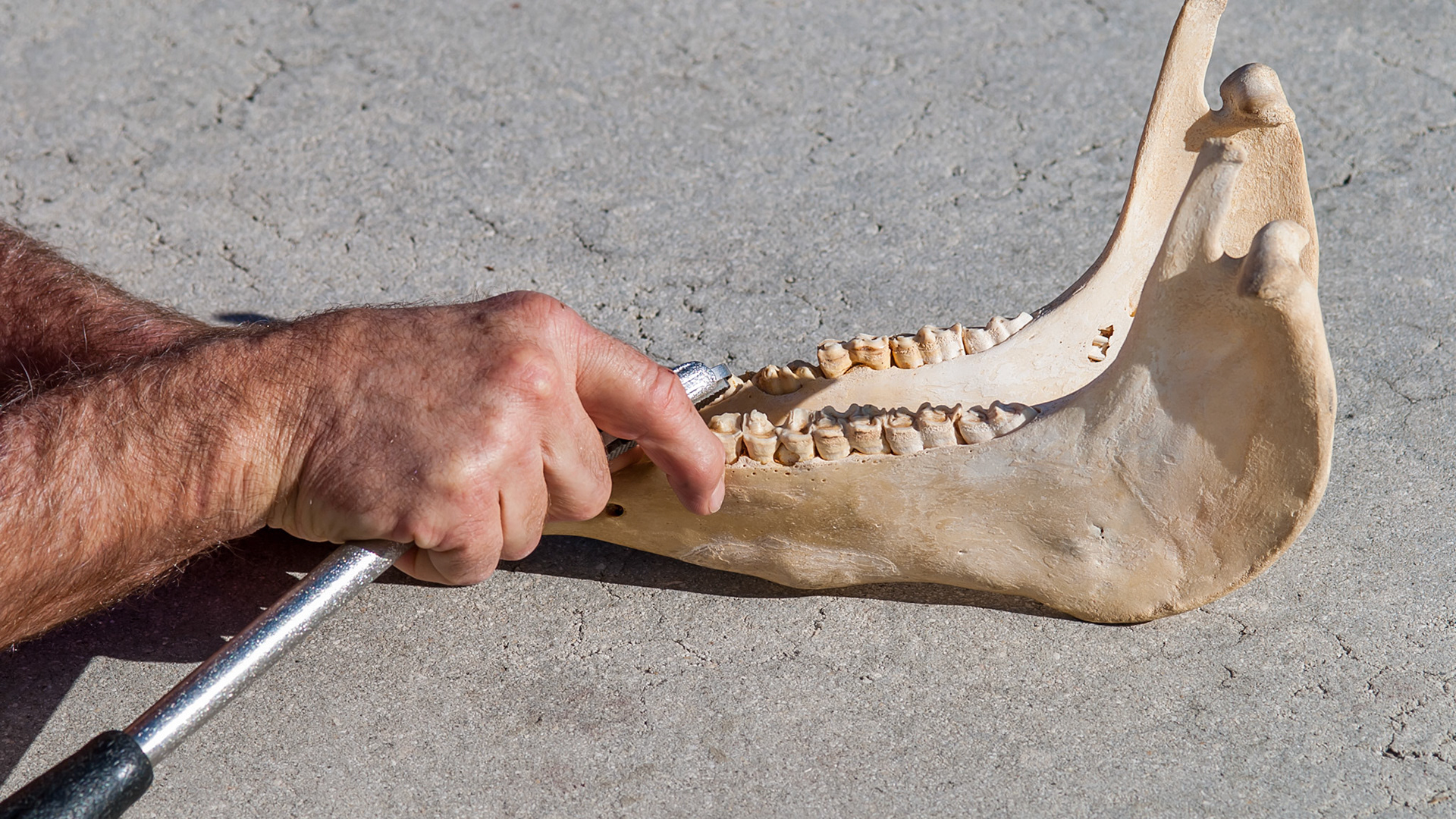
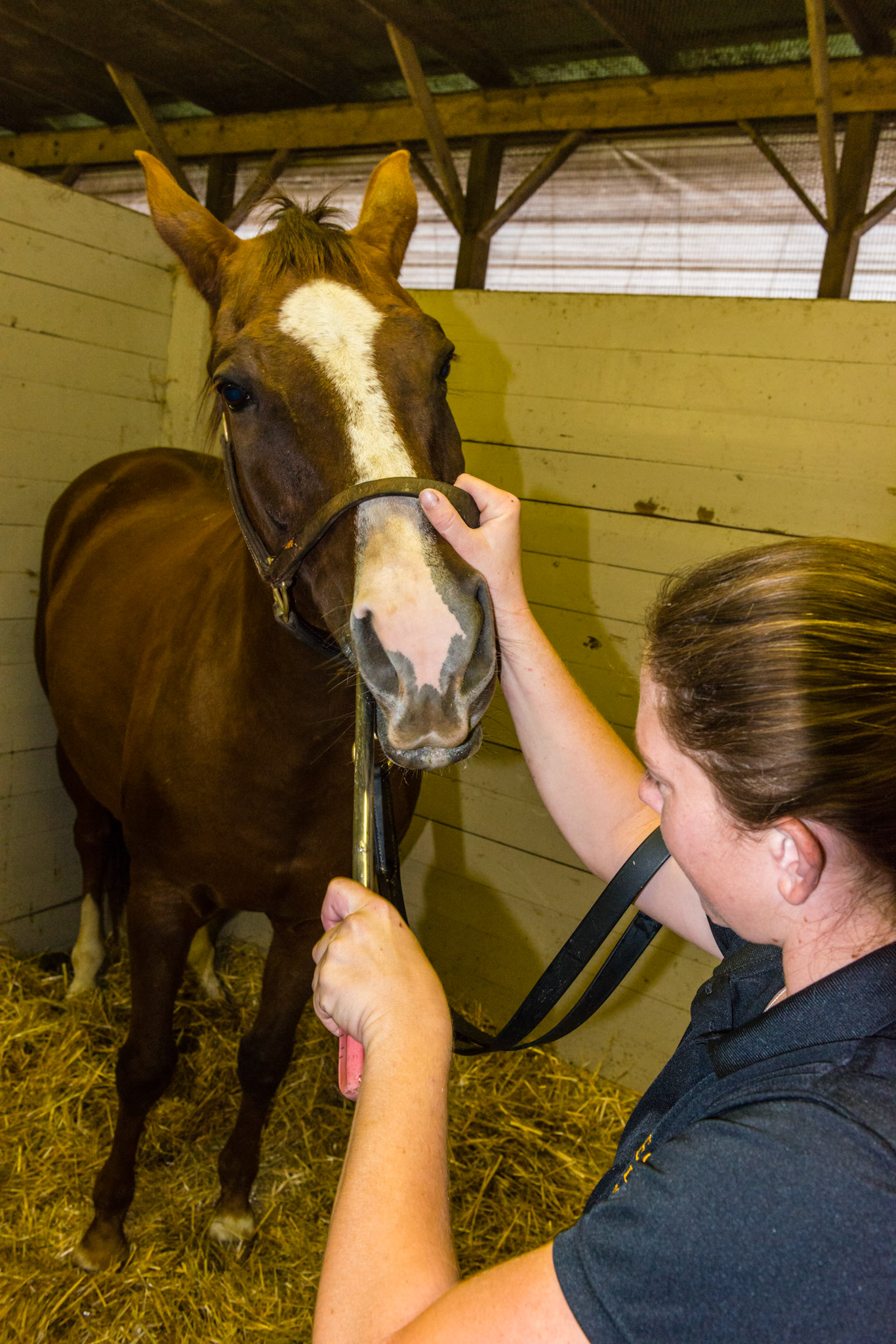
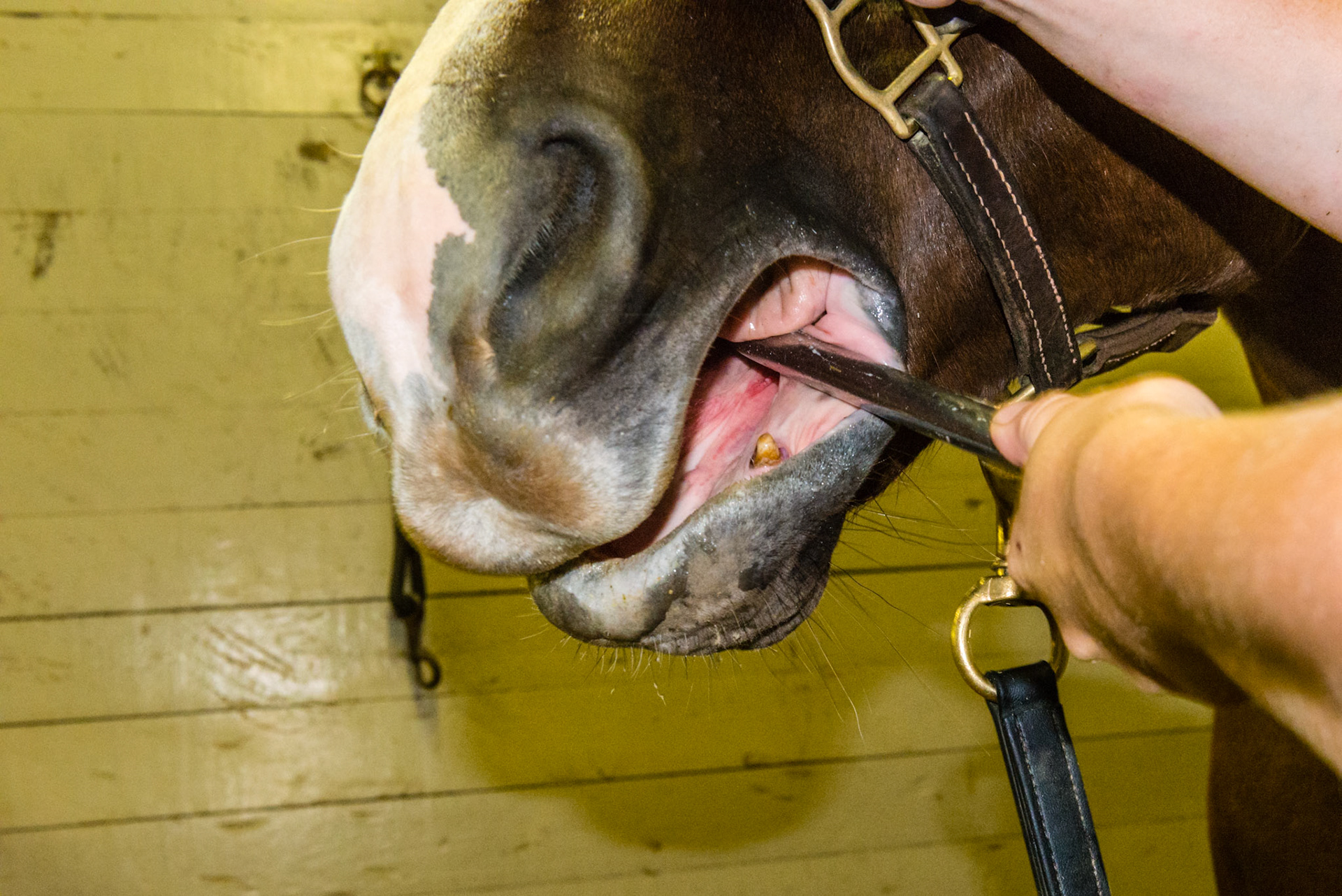
The shortie is placed under the tongue as it goes across the mouth from the near side to float the rostral tip of 406. The hand is rolled and the angled is yawed in and out to shape the tooth with this approach. Horses that allow the shaft under the tongue prefer this approach especially when there is sensitivity on the lower 6's.
The shortie is placed under the tongue as it goes across the mouth from the near side to float the rostral tip of 406. The hand is rolled and the angled is yawed in and out to shape the tooth with this approach. Horses that allow the shaft under the tongue prefer this approach especially when there is sensitivity on the lower 6's.